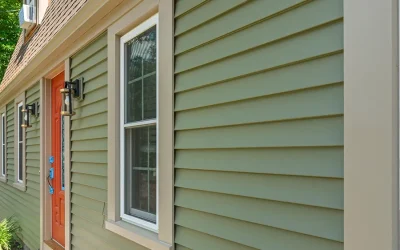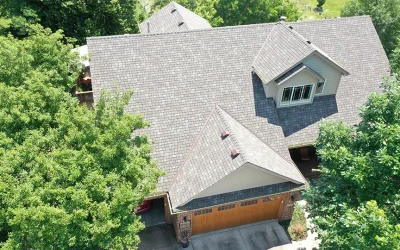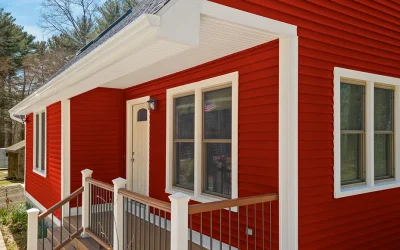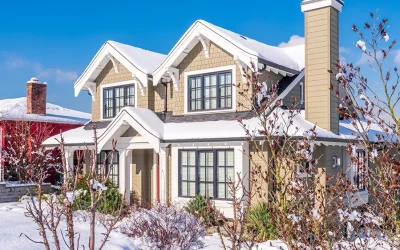

In the Midwest, the best siding isn’t always the one you see on every block. It’s the one that stands up to real life; constant expansion, heavy moisture, and wild temperature swings. Fiber cement, engineered wood, and high-quality vinyl are made for this climate. Cheaper options might look fine at first, but they’re the ones that crack, warp, or let you down when your home needs protection most. So the real question isn’t:
“What looks best?”
It’s:
“What actually holds up here?”
Why Midwest Homes Are Harder on Siding
Midwest weather tests every inch of your home’s exterior. In a single year, your siding faces freezing winters, sudden temperature swings, heavy snow and rain, and the kind of summer heat that pushes materials to their limit.
That constant back-and-forth puts real stress on your siding. Materials expand, contract, soak up moisture, and dry out over and over. Some siding is built to handle it. Some just isn’t.
What Actually Causes Siding to Fail
When siding fails here, it’s not random. It comes down to how well the material handles three things:
| Freeze-Thaw Cycles | Moisture and Humidity | Heat and UV Exposure |
| Freeze-thaw cycles are one of the biggest culprits. As temperatures swing from below freezing to above, materials expand and contract. Over time, weaker products can crack or loosen. | Moisture is another major factor. Snow build up, humidity, and rain can lead to swelling, rot, or mold if the material (or system behind it) can’t properly manage water. | And then there’s heat. Prolonged sun exposure can warp lower quality siding or cause fading and deterioration. |
The best siding doesn’t just solve one problem. It’s built to take on all three.
What Actually Performs Best in the Midwest
If you want siding that lasts, not just siding that looks good on day one, a few materials always rise to the top.
| Fiber Cement | Fiber cement is one of the most reliable choices for Midwest homes. It keeps its shape through wild temperature swings, shrugs off moisture, and won’t attract pests or rot. If you want siding that stays strong year after year, fiber cement is a proven choice. |
| High-Quality Vinyl | High-quality vinyl, especially insulated types, can work well when installed right. It’s easier to maintain and costs less up front. But quality matters. Cheap vinyl warps in the heat and turns brittle in the cold. |
| Engineered Wood | Engineered wood gives you the look of real wood with the strength to handle Midwest weather. It resists moisture and impact, and in most cases, it outperforms traditional wood siding by a wide margin. |
| Metal Siding | Metal siding is a durable, low-maintenance option for Midwest homes. It stands up to extreme temperatures, high winds, and heavy rain. |
Where Stronghouse Fits Into This
At Stronghouse, we don’t follow trends. We focus on what works in Midwest weather. That usually means fiber cement like James Hardie, engineered wood like LP SmartSide, or high-quality vinyl when budget and maintenance matter most.
But even the best material won’t last if it’s not installed right. How your siding is sealed, layered, and protected from moisture decides whether it lasts five years or twenty-five.
Best Siding by What Matters Most
When you focus on what matters most for your home, the right choice becomes clear.
If you want siding that stands up to extreme temperature swings, fiber cement is one of the most stable options. If moisture resistance and durability matter most, especially in shaded or humid spots, engineered wood and fiber cement are proven performers. If you want low maintenance and simplicity, premium vinyl can be a strong choice—as long as you don’t compromise on quality or installation. If storm durability and impact resistance are your top priorities, fiber cement and engineered wood usually outperform lower-grade materials.
The Mistake Most Homeowners Make
The biggest mistake is picking siding for looks or price, without thinking about how it will hold up year after year.
A material might look sharp at first, but if it can’t handle Midwest weather, you’ll see the wear sooner than you expect. That’s how you end up with warping, cracking, or moisture problems in just a few years.
How to Choose the Right Siding for Your Home
Instead of asking what siding will look best, it’s more useful to ask:
“What siding will perform best based on how my home is exposed to weather?”
Every home is different. Sun, shade, moisture, and storms all play a part in how your siding holds up. The best siding is the one that fits your environment, not just your style.
In the Midwest, siding is about more than curb appeal. It’s about how your home stands up to stress, season after season. The right material looks good on day one and keeps protecting your home for years.
| Long-Term Value Comes From Performance | Siding Material Comparison Guide | Ready to See What Works for Your Home? |
| The right siding does more than boost curb appeal. It cuts down on maintenance, shields your home from damage, and gives future buyers real confidence.
Want to understand how siding impacts value? Read: Does New Siding Increase Home Value—or Just Curb Appeal? |
Not sure which option makes the most sense?
Download the Siding Comparison Guide -Side-by-side material breakdown |
Thinking about new siding? Your next step isn’t to commit. It’s to get clear on your options for your home and your climate. |