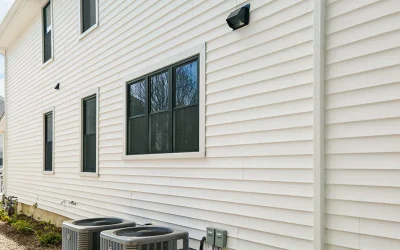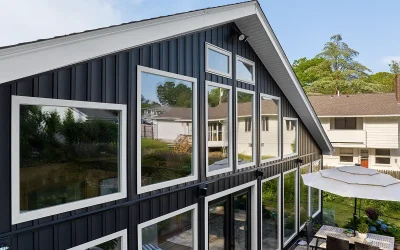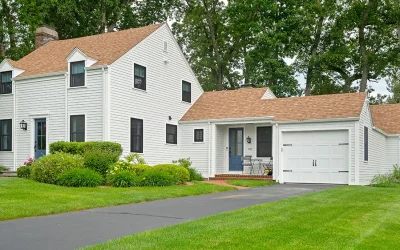
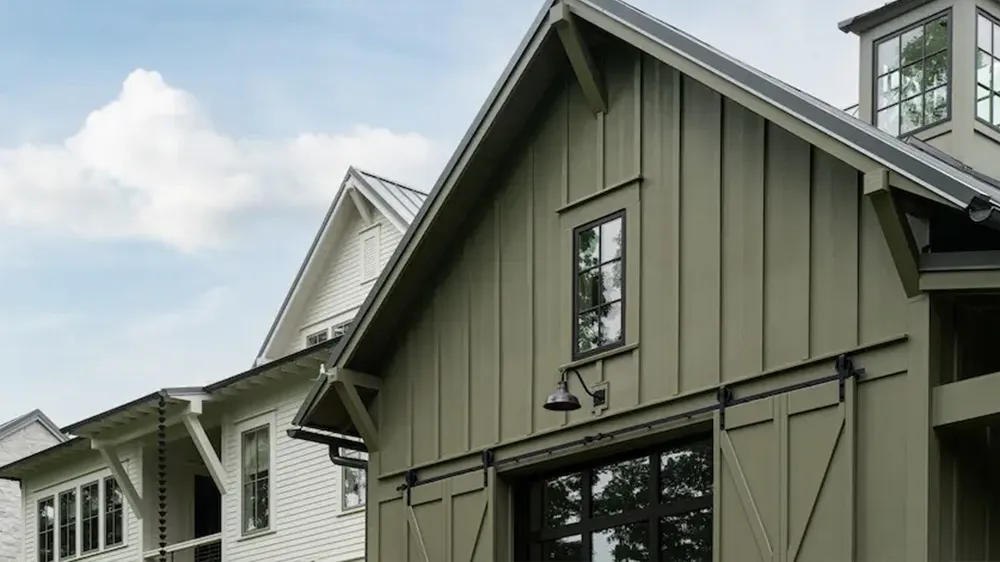
New siding can help your home use energy more efficiently, but it’s not just about the panels you see. The real savings come from what happens behind the scenes, including better air sealing, added insulation, and a quality house wrap. When these steps are done right, most homeowners see heating and cooling costs drop by about 10 to 20 percent.
Let’s break down what that actually means for your home.
Why This Question Matters
Many homeowners replace siding expecting two things:
- A better-looking home
- Lower energy bills
A better-looking home? That’s almost a sure thing. Lower energy bills? That depends on how the work is done and whether your contractor pays attention to the details that matter.
Siding alone isn’t insulation. It’s just one part of your home’s wall system. If someone tells you siding is the only answer for energy savings, they’re leaving out the most important part: the work that actually makes a difference.
It’s a System, Not Just Panels
When siding is removed, several important things are exposed:
- Sheathing
- Wall insulation
- Gaps and penetrations
- Flashing around windows and doors
This is where the real improvements happen, the parts you don’t see, but your energy bills will notice.
A proper siding upgrade often includes:
- A high-quality house wrap or weather barrier
- Foam-backed or rigid insulation board
- Sealing around windows, doors, and corners
- Flashing to prevent air and water intrusion
Skip these steps, and new siding won’t do much to keep your home comfortable or lower your bills.
Not All Siding Is Energy Efficient
This is where sales talk can get confusing and sometimes, a little misleading.
Below is a realistic side-by-side explanation:
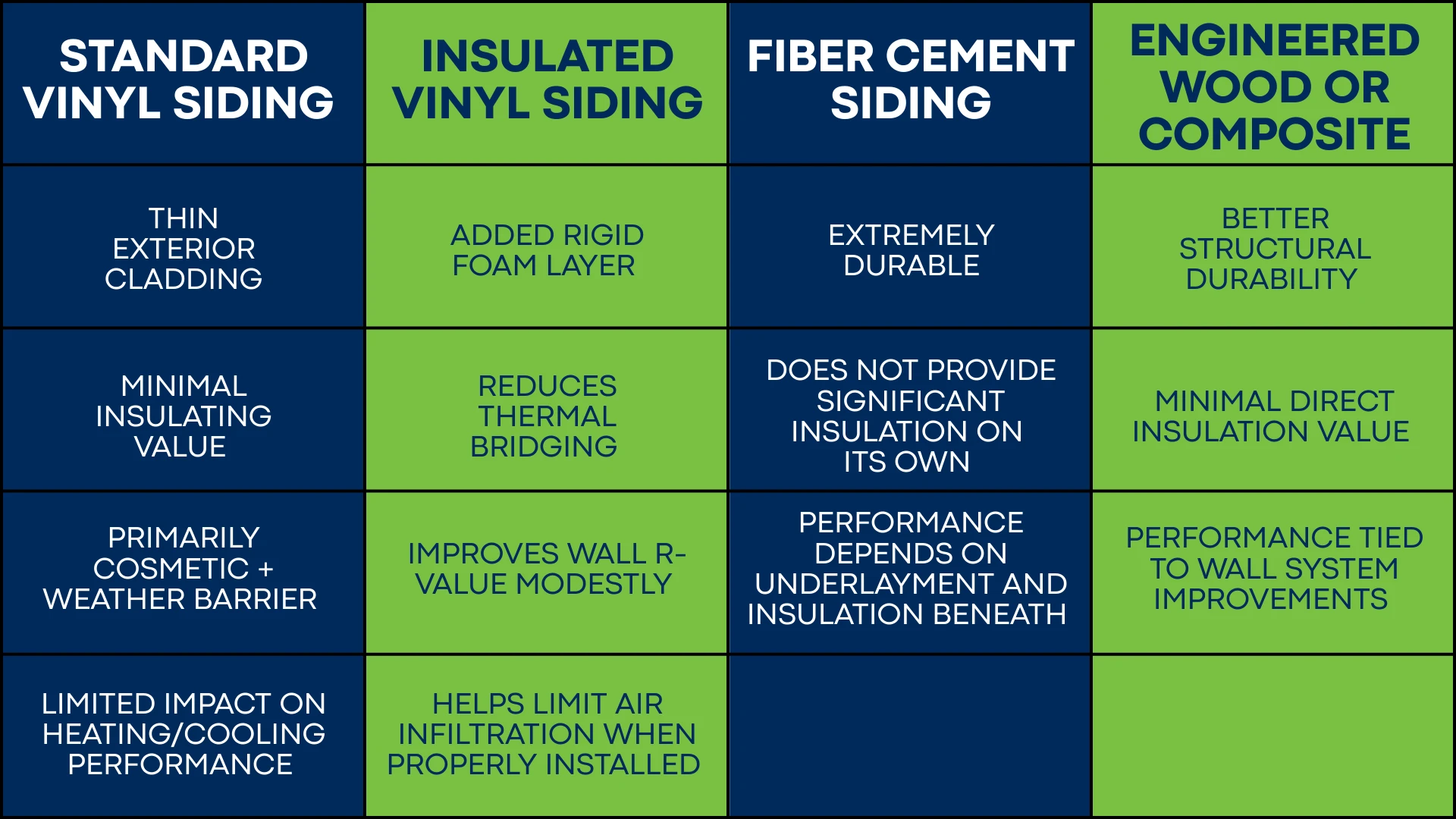
Here’s what matters most: the insulation and air sealing behind your siding do more for your home’s efficiency than the siding material itself.
The “Whole House” Factor
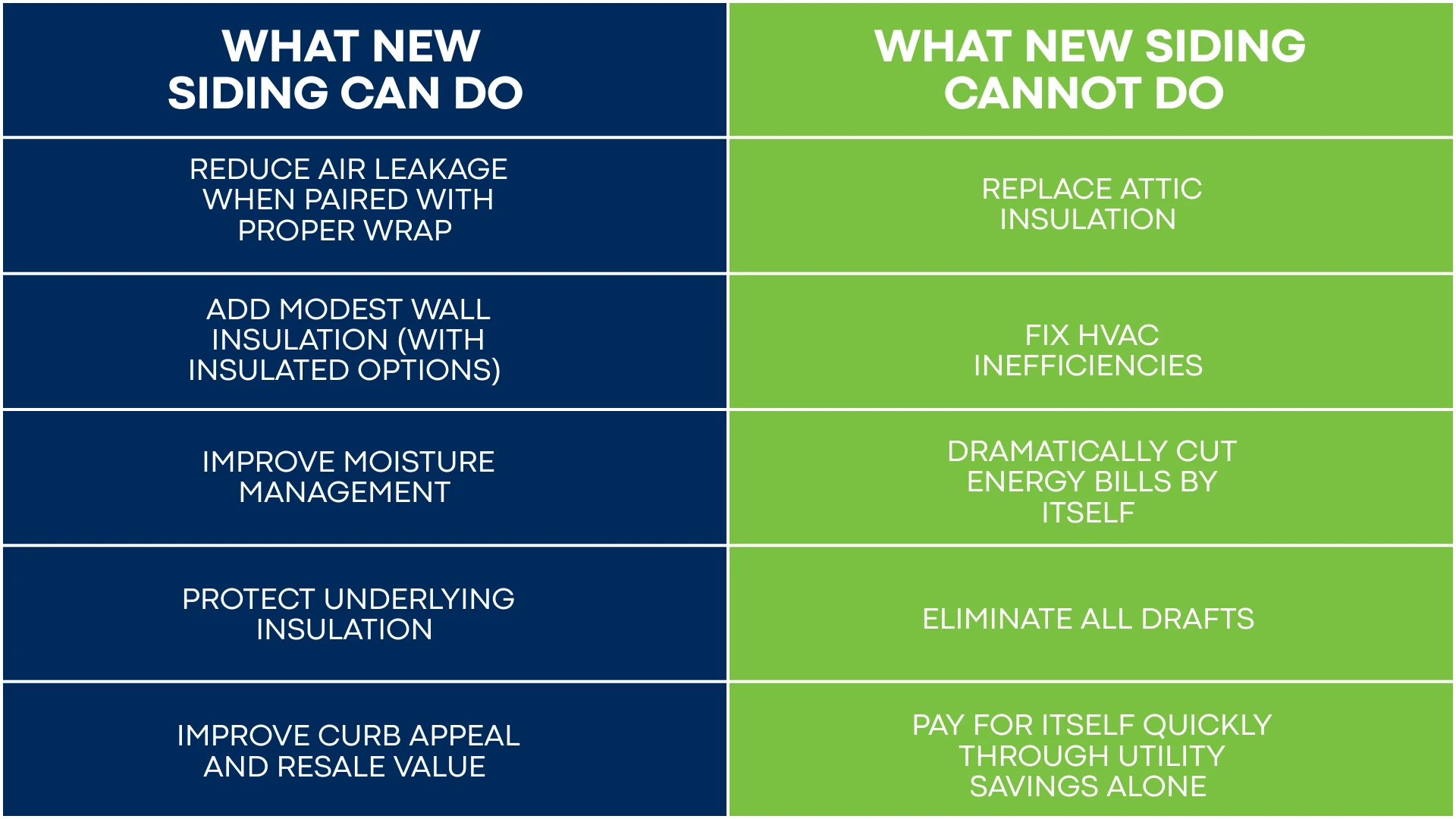
New siding can help cut down on heat loss through your walls. But remember, your walls are just one piece of the energy puzzle in your home. If your attic needs more insulation or your windows let in drafts, new siding alone won’t make a dramatic difference.
In poorly insulated homes, as much as 30–35% of air leakage can occur through wall assemblies. That’s where house wrap and sealing during siding replacement can make a measurable difference.
But siding cannot compensate for:
- Thin attic insulation
- Major window leaks
- HVAC inefficiency
- Structural air gaps elsewhere
Energy efficiency is about the whole house working together. No single upgrade solves it all.
Installation Quality Is Everything
Even premium siding fails to deliver energy benefits if:
- Gaps are left unsealed
- Flashing is improperly installed
- House wrap is torn or poorly overlapped
- Corners and penetrations aren’t sealed
If air leaks are left behind, any insulation gains disappear fast. How well your siding is installed matters just as much as the materials you choose.
Climate Matters More Than Most People Realize
Energy savings from siding are more noticeable in:
- Very cold climates
- Very hot climates
- Areas with large seasonal swings
If you live in a mild climate, don’t expect big energy savings from new siding alone. That’s why the payback can take time. While energy savings add up slowly, the boost to your home’s value is often felt right away.
Replacing siding is one of the best exterior investments you can make, often returning 70 percent or more of your cost when you sell, depending on your material and local market.
What Siding Can and Cannot Do
Real Objections Homeowners Ask
“Will new siding lower my energy bills?”
Yes, typically 10–20% if installed with proper insulation and sealing. Less if the rest of your home’s envelope is already efficient.
“Is insulated siding worth the extra cost?”
It can be, especially in extreme climates or older homes with minimal wall insulation. The return depends on how long you plan to stay in the home.
“If I replace siding, do I need house wrap?”
Yes. A quality weather barrier is one of the most important components of the project for energy and moisture control.
“Does fiber cement insulate better than vinyl?”
Not inherently. Fiber cement is more durable, but insulation value comes from the materials behind it.
“Will siding replacement increase resale value?”
In most markets, yes. Buyers value improved curb appeal, lower maintenance, and updated exterior protection, even more than modest utility savings.
The Bigger Picture
Replacing your siding can absolutely make your home more energy efficient, but only if it’s done as a true wall system upgrade, not just a surface change.
If you want to lower your energy bills, the most important question isn’t, ‘what siding looks best?’ It’s ‘how will this project improve my home’s insulation, air sealing, and moisture protection?’
That’s the difference between a project that just looks good and one that actually performs for your home. Most homeowners never get to have that conversation, but you should.