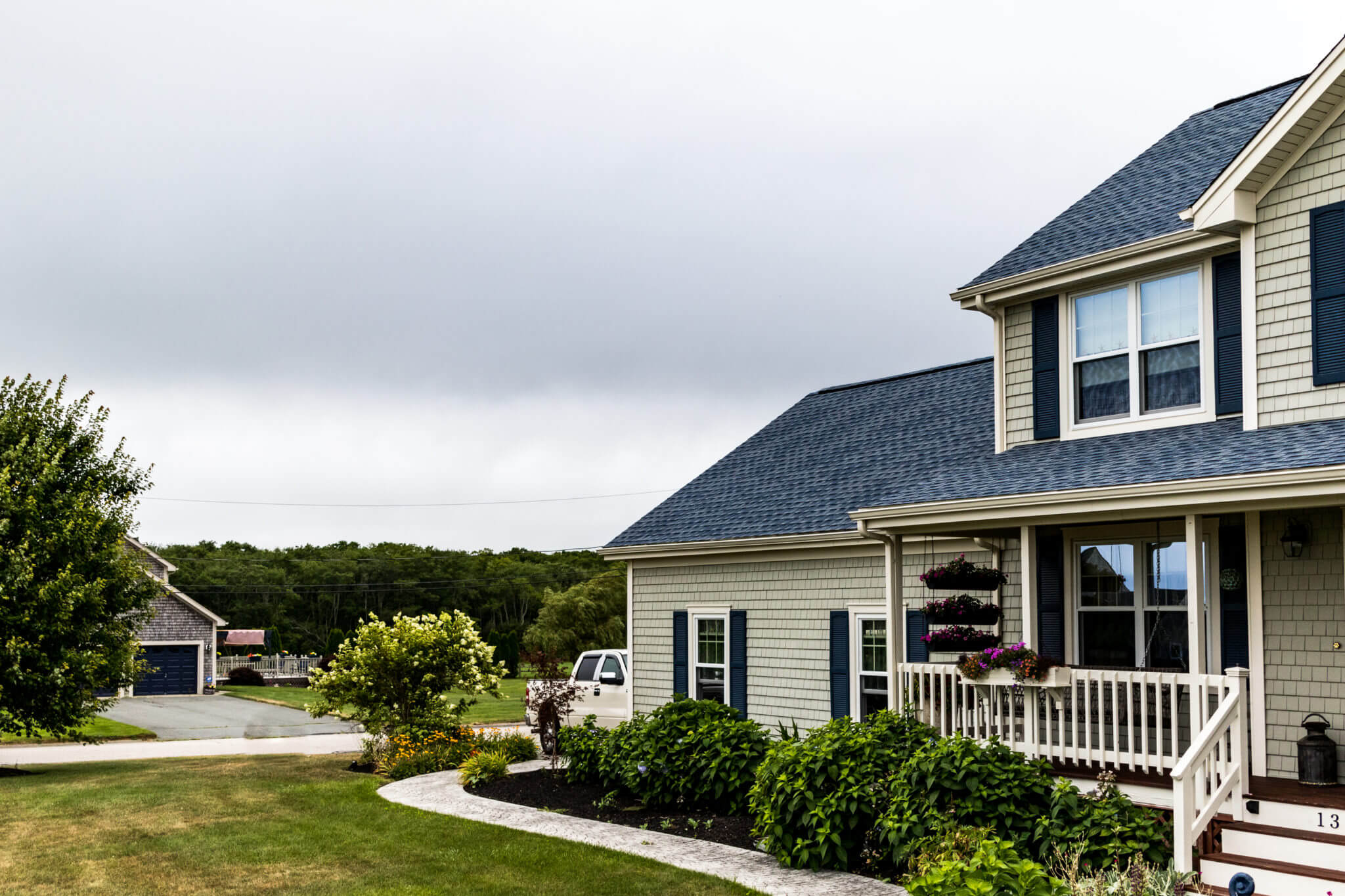
The best roofing materials for New England are built to handle real stress: heavy snow, strong winds, and summer heat. Metal, composite, and high-quality architectural asphalt shingles stand up to the challenge. Wood can work, but it takes more upkeep to keep it performing in this climate.
So the real question isn’t “what’s the most popular roof?” It’s “what’s going to hold up here year after year?”
Why New England Is So Hard on Roofs
New England weather isn’t just tough, it’s unpredictable. One season can test your roof in ways the next never will. Your roof may face:
- Heavy snow loads in winter
- Freeze-thaw cycles that cause expansion and cracking
- High winds during storms and coastal weather
- Intense summer heat and UV exposure
All of that puts real pressure on every part of your roof. Some materials are built for it. Others wear out faster than you’d expect.
What Actually Matters in This Climate
When you’re choosing a roof in New England, a few things matter most. Snow and ice are at the top of the list. Materials that let snow slide off help prevent ice dams and take stress off your home. Wind resistance matters too.
Coastal storms and strong gusts will test how well your roof holds together. Heat is easy to overlook, but it counts. Dark roofs soak up sun, which can affect comfort and how long your roof lasts. The best roofs aren’t just tough, they’re built to handle all three challenges at once.
| Metal Roofing | Long lifespan, sheds snow easily | Snow + wind resistance | Higher upfront cost |
| Architectural Asphalt Shingles | Cost-effective, widely used | Balanced performance | Shorter lifespan than premium materials |
| Composite / Synthetic Roofing | Impact-resistant, durable | Storm + wind durability | Varies by product quality |
| Slate Roofing | Extremely long-lasting, weather-resistant | Snow + longevity | Heavy, higher cost |
| Wood Shake | Natural look, insulation value | Aesthetic appeal | Higher maintenance, moisture sensitivity |
| Clay Tile | Durable, heat-resistant | Warm climates | Less common for New England, weight considerations |
What Stronghouse Installs (And Why)
At Stronghouse, we install roofs that work for New England, everything from asphalt and metal to wood shake, slate, clay, and composite. But here, some materials simply hold up better year after year.
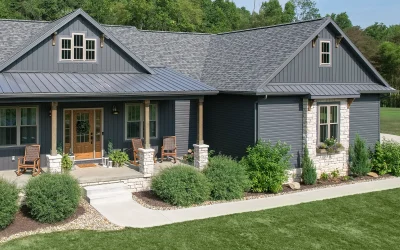
Metal roofs shed snow and last for decades. Composite and synthetic options offer a strong mix of durability and lighter weight. High-quality architectural asphalt shingles are still a reliable, cost-effective choice when they’re installed the right way.
We’re not here to push one material over another. Our job is to help you find the right roof for your home, your environment, and your plans.
Best Roofing Materials by Performance Category
When you focus on what matters, the choice gets clearer.
Best for Heavy Snow and Ice
Metal Roofing: Metal panels allow snow and ice to slide off more easily instead of building up on your roof. That reduces the weight your roof has to carry and lowers the risk of ice dams forming along the edges. In a New England winter, that can make a noticeable difference in both performance and long-term wear.
Best for High Winds and Storms
Metal + Composite Roofing: Both metal and composite roofing systems are designed to handle strong winds and impact. They tend to stay sealed and in place better during storms compared to lower-grade materials. If your home is exposed to coastal winds or frequent storms, this added durability becomes especially important.
Best for Longevity
Slate + Metal: If your goal is long-term performance, slate and metal stand out. Both materials can last for decades when installed correctly, even in harsh climates. Slate offers a traditional, high-end look, while metal provides a more modern, lower-maintenance option. The tradeoff usually comes down to cost and structural considerations.
Best Overall Value
Architectural Asphalt Shingles: Architectural shingles offer a strong balance of cost, durability, and performance. They’re more resilient than basic shingles and can hold up well in New England weather when properly installed with the right ventilation and underlayment. For many homeowners, they provide the most practical mix of reliability and affordability.
The Mistake Many Homeowners Make
Many homeowners choose a roof based on price or appearance alone. A lower-cost roof may look fine at first, but after a few winters, the difference becomes clear. Ice dams, shingle loss, and premature wear start to show up. In New England, long-term performance matters more than upfront savings.
How to Choose the Right Roof for Your Home
Instead of asking “Which roofing material is best?”, ask “which roofing system will hold up best on my home?” Every home is different. Roof pitch, sun, trees, and how close you are to the coast all matter. The best roof is the one that fits your home and your environment—not just what’s popular.
What This Means for Long-Term Value
The right roof does more than keep out the weather. It:
- Reduces the likelihood of repairs
- Improves energy performance
- Helps maintain property value
- Gives buyers confidence if you sell
Not sure if you should repair or replace? Read: Can You Wait Until Fall to Fix Spring Damage?
In New England, roofing is about more than just materials. It’s about how your home stands up to stress, season after season. The right roof isn’t just about curb appeal on day one. It keeps performing after years of snow, wind, and heat have tested everything else.