Florida weather puts roofs to the test every single day. Intense sun, heavy rain, humidity, hurricane winds, and salty coastal air all work together to wear down roofing materials faster than most people realize. Here, your roof faces more stress in a year than some roofs see in a decade elsewhere.
A roof that lasts 25 to 30 years up north might not make it nearly as long in Florida. The climate here simply demands more.
The trouble is, you often can’t see the damage right away. A roof might look fine from your driveway, but heat, moisture, and weather can quietly weaken what’s underneath.
Florida Roofs Do Not Fail the Same Way Northern Roofs Do
In colder climates, roofing problems are often tied to snow loads, ice dams, and freeze-thaw cycles. Florida plays by its own rules.
Here, roofs deal with:
- relentless sun exposure,
- extreme attic heat,
- year-round humidity,
- heavy rain,
- tropical storms,
- and salt-heavy coastal air.
Instead of slow, cold-weather wear, Florida roofs get hit from all sides—sun above, heat and humidity below. That speeds up the aging process. That changes not just how roofs age, but how you need to think about maintenance and when it’s time for a replacement. Ultraviolet rays are one of the main reasons Florida roofs age faster than most.
The combination of:
- intense sunlight,
- high surface temperatures,
- and prolonged heat exposure
slowly dries out roofing materials, making them brittle and less protective.
On asphalt roofs especially, this often leads to:
- granule loss,
- brittleness,
- cracking,
- curling,
- and faster deterioration of the protective surface layer.
Most people don’t realize heat attacks your roof from both sides. The sun beats down from above, while a poorly ventilated attic traps even more heat below. In some homes, the attic gets much hotter than the air outside. Over time, that constant heat exposure slowly “bakes” roofing materials and accelerates aging.
Humidity and Moisture Cause a Different Type of Roof Damage
Florida roofs are always up against moisture. Humidity might not seem like a big deal, but over time it leads to:
- algae growth,
- trapped moisture,
- material deterioration,
- and wood rot beneath the roofing system.
Those dark streaks you see on roofs? That’s usually algae, thriving in Florida’s humidity. It’s not just about looks—algae holds moisture against your roof longer than it should. Moisture problems don’t always make a scene. They spread quietly, often before you notice anything’s wrong.
A small ventilation or drainage issue might not cause a leak right away, but over time, extra moisture can damage:
- decking,
- underlayment,
- flashing,
- and attic ventilation performance.
That’s why Florida roofs need regular checkups and maintenance, more than you’d need in a drier state.
Hurricanes and Wind Damage Change the Equation Completely
Florida roofs don’t just face bad weather once in a while. They’re built to stand up to some of the toughest winds in the country. Even if a hurricane doesn’t tear your roof off, repeated high winds can still wear it down over time.
Strong winds may:
- loosen shingles,
- break tile corners,
- damage flashing,
- or compromise seal integrity without creating an immediate visible leak.
That’s why some roof damage doesn’t show up until months down the road. And because you can’t always spot storm damage from the ground, it’s easy to think your roof is fine, until you notice problems inside.
Coastal Homes Face an Additional Problem: Salt Air
If you live near the coast, salt in the air adds even more stress to your roof. Salt-heavy air accelerates corrosion on:
- metal fasteners,
- flashing,
- vents,
- clips,
- and exposed roofing hardware.
Over time, corrosion eats away at the small parts that keep your roof strong. This matters most for coastal homes, where strong connections and wind resistance are critical during storm season. Your roof might look solid, but corrosion can quietly weaken the connections that hold everything together.
Not All Roofing Materials Handle Florida Weather the Same Way
Not all roofing materials are built for Florida’s climate. The best choice for your home depends on:
- sun exposure,
- coastal proximity,
- wind risk,
- maintenance expectations,
- and budget.
Asphalt Shingles: Most Common, But Often Shorter Lifespan in Florida
Asphalt shingles are popular because they’re affordable and work for many homes. But Florida’s weather is tough on asphalt roofs. Constant sun and heat speed up aging, so asphalt roofs here often wear out sooner than you’d expect. That doesn’t mean asphalt is a bad choice. Modern shingles can still last when:
- properly ventilated,
- professionally installed,
- and maintained consistently.
But in Florida, climate matters more than most people think.
Metal Roofing: Excellent for Longevity and Wind Resistance
Metal roofing stands up to Florida’s challenges because it handles:
- heat,
- wind,
- and moisture more effectively than many traditional materials.
Metal roofs also shed water efficiently and tend to perform well during storm conditions when properly installed. For many homeowners, the biggest win is how long a metal roof can last. The tradeoff: if you’re near the coast, you’ll need to stay on top of corrosion and regular maintenance.
Tile Roofing: Strong Performance With Proper Installation
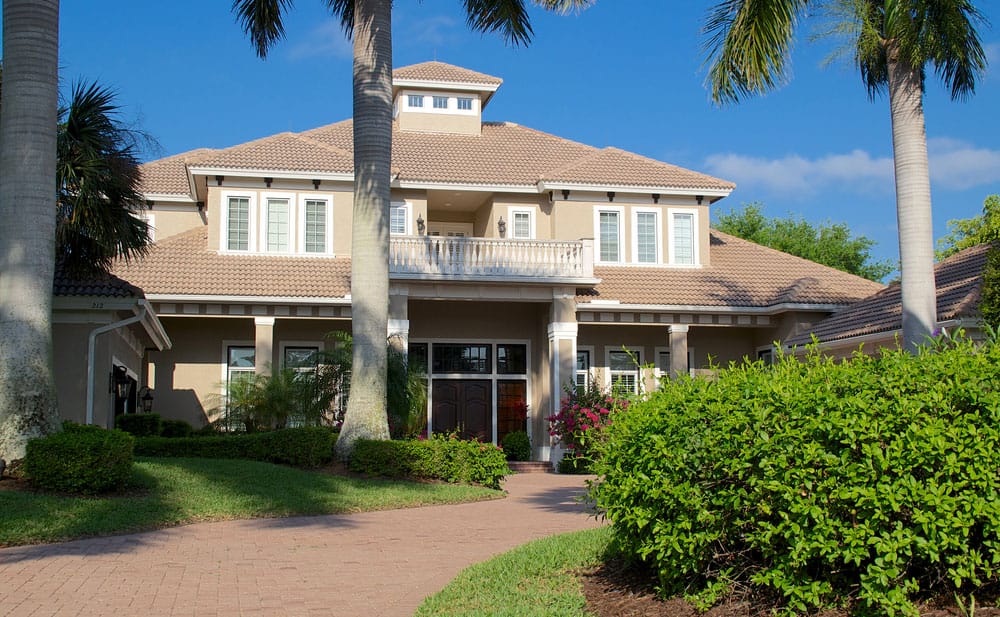
Tile roofs are a Florida favorite because they handle heat and last a long time. Concrete and clay tiles do well in the heat, but in high-wind areas, how they’re installed makes all the difference. If tiles aren’t secured right, they can loosen or break during storms, especially as the roof gets older. No matter what material you choose, long-term performance comes down to:
- installation,
- attachment methods,
- ventilation,
- and ongoing maintenance.
The Biggest Thing Most Homeowners Miss: Ventilation
One thing most people overlook in Florida? Attic ventilation.A poorly ventilated attic traps:
- heat,
- moisture,
- and humidity
under your roof all year long.That trapped heat wears out your roof faster, and extra moisture raises the risk of:
- mold,
- rot,
- and structural deterioration over time.
In Florida, ventilation isn’t just about energy bills. It’s about how long your roof lasts.
Want to understand this better?
Read: The Truth About Energy-Efficient Roofing: What Matters, What Doesn’t, and What Most Contractors Skip
How Homeowners Can Extend Roof Life in Florida
You can’t control Florida weather, but you can take steps to help your roof last longer. Regular inspections catch problems like:
- lifted shingles,
- flashing damage,
- ventilation problems,
- algae growth,
- and storm-related wear before larger issues develop.
Simple maintenance goes further than most people think. That’s especially true in Florida, where your roof is always under stress.
Florida is tough on roofs in ways other states just aren’t. The combination of:
- UV exposure,
- humidity,
- hurricanes,
- heat,
- and salt air
creates some of the toughest conditions for roofs anywhere in the country. That’s why you can’t judge a Florida roof just by its age.
The real question is:
How well is your roof standing up to Florida’s environment day after day?
Because here, long-term roof performance depends just as much on ventilation, installation quality, maintenance, and climate-specific design as it does on the material you choose.
| Understanding Roof Replacement Timing | Learning About Ventilation & Efficiency | Understanding Long-Term Installation Quality |
| Not every aging roof needs immediate replacement. Understanding when repairs still make sense versus when replacement becomes the smarter investment can help homeowners make more informed decisions.
Read: Roof Repair vs Replacement: The Math Contractors Won’t Show You |
Heat buildup and poor attic airflow can shorten roof life significantly in Florida climates. Understanding ventilation helps homeowners protect both efficiency and long-term durability.
Read: The Truth About Energy-Efficient Roofing: What Matters, What Doesn’t, and What Most Contractors Skip |
Even high-end roofing materials can fail prematurely if installation quality is poor. Understanding workmanship and long-term protection matters more than most homeowners realize.
Read: Why Workmanship Matters More Than Materials (and How Warranty Fits In) |