Executive Summary: If your deck faces humid summers, freezing winters, and wild temperature swings, the right material is about more than price. It’s about choosing what stands up to your climate, season after season. Many homeowners find capped composite or PVC decking delivers real durability with less work. Natural hardwoods and pressure-treated lumber can fit different budgets or give you a look you love. The best choice depends on how much maintenance you want, how long you plan to stay in your home, and how your climate treats outdoor materials. In this guide, we break down the most popular decking options and show you which ones hold strong when the weather turns tough.
Why Does Climate Matter So Much When Choosing Decking?
A deck spends every day exposed to the elements. Unlike most parts of your home, your deck faces direct sun, standing water, temperature swings, snow, ice, and steady foot traffic. It handles all this with almost no protection.
That’s why the same decking material can last years in one place and struggle in another. A deck that holds up in a dry climate might not last in heavy humidity and freeze-thaw cycles. A product built for cold weather could need more care if your summers are long and humid.
At Stronghouse, one of the most common questions homeowners ask is, “What’s the best decking material?” The better question is, “What’s the best decking material for where I live?”
What Happens When the Wrong Decking Material Is Installed?
Weather does more than change your deck’s appearance. Over time, moisture and temperature swings cause materials to expand, contract, soak up water, or break down. That’s when you start to see warped boards, cracks, loose fasteners, faded finishes, and more work just to keep things looking good.
These problems don’t show up overnight. They build up slowly, as years of weather take their toll. Choosing a material built for your climate helps prevent these issues and keeps your outdoor space strong for years to come.
Which Decking Materials Perform Best?
Homeowners have more choices than ever. Each material brings its own strengths.
Capped Composite Decking
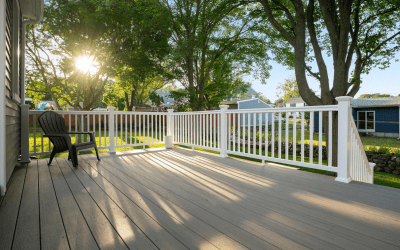
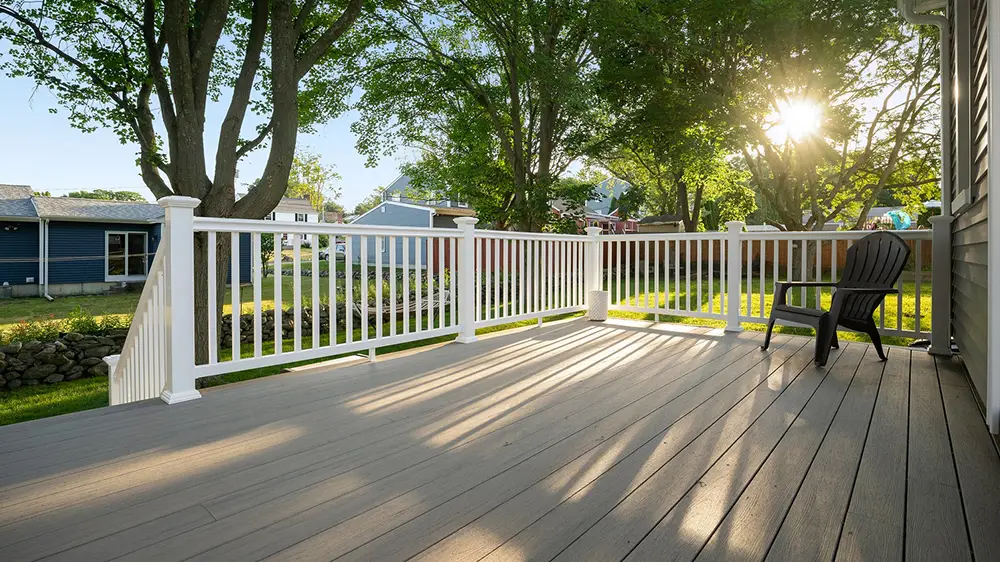
For many homeowners, capped composite is the right balance of durability, good looks, and easy care. Its tough outer layer stands up to moisture, fading, and daily wear. That makes it a smart choice for places with humid summers and cold winters.
Darker colors can get warmer in the sun, but most homeowners appreciate that composite needs far less upkeep than wood.
PVC Decking
PVC decking is for homeowners who want the strongest resistance to moisture. With no wood fibers, it won’t rot and stands up well in damp or humid spots.
It’s a go-to for places where moisture is always a challenge, though the upfront cost can be higher.
Natural Hardwood Decking
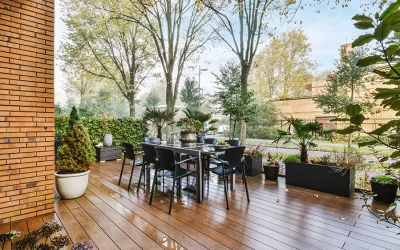
Hardwoods like Ipe are known for lasting strength.
Their natural density helps them handle years of weather and gives your deck a look that stands out. But they do need special installation and regular care to keep looking their best.
Pressure-Treated Wood
Pressure-treated lumber is still one of the most budget-friendly options available. With the right care, it can last for many years.
The tradeoff is the upkeep. Unlike composite or PVC, wood usually needs regular staining or sealing to protect against moisture, weather, and movement.
Comparing Today’s Most Popular Decking Materials
| If Your Priority Is… | Best Choice |
| Lowest Maintenance | PVC Decking |
| Best Overall Value | Capped Composite |
| Natural Wood Appearance | Tropical Hardwood |
| Lowest Upfront Cost | Pressure-Treated Wood |
| Moisture Resistance | PVC or Capped Composite |
| Long-Term Durability | Composite, PVC, or Tropical Hardwood |
There’s no one-size-fits-all answer.
The best choice depends on your budget, how much work you want to put in, and what your local weather brings to your deck over the years.
Should Maintenance Influence Your Decision?
Absolutely. One of the biggest differences isn’t how a deck looks on day one. It’s how much work it takes to keep it looking good five or ten years later.
Some homeowners enjoy maintaining a natural wood deck and appreciate the character it develops over time. Others would rather spend weekends enjoying the deck instead of staining it every few years.
Neither approach is wrong. The key is to choose a material that matches what you want before you start building.
Decking Is Only One Part of Long-Term Performance
Many homeowners focus only on the deck boards. But how long your deck lasts also depends on what’s underneath. Good drainage, flashing, ventilation, and framing all play a role in how your deck holds up.
At Stronghouse, we see decks last longest when homeowners look beyond the surface and consider the whole system. Solid construction, smart water management, and regular care matter just as much as the boards you choose.
It’s a good reminder that everything works together outside. Long-term performance is about the whole system, not just one product.
Which Decking Material Is Right for You?
Instead of asking which decking material is best, try asking yourself a few key questions:
- How much maintenance am I willing to do?
- How long do I plan to stay in this home?
- What type of weather will this deck experience every year?
- Is long-term durability more important than upfront cost?
When you answer these, the right choice usually stands out much more than just looking at price tags.
Build a Deck That Lasts Beyond the First Few Summers
A new deck should be more than just a good-looking space outdoors. It should hold up through years of changing seasons, family gatherings, and everyday life.
Choose materials built for your climate and make sure they’re installed right. That way, you cut down on maintenance, increase longevity, and protect your investment for years.
The best deck isn’t always the one with the most expensive materials. It’s the one built with the right materials for your home, your life, and your climate.
Frequently Asked Questions
What decking material lasts the longest?
Composite, PVC, and many tropical hardwoods are among the longest-lasting decking materials when properly installed and maintained.
Is composite decking worth the extra cost?
For many homeowners, yes. The reduced maintenance and long-term durability often offset the higher upfront investment, especially in climates with significant moisture and seasonal temperature changes.
Does pressure-treated wood still make sense?
Absolutely. Pressure-treated lumber remains a solid choice for homeowners looking to minimize upfront costs, provided they’re prepared for ongoing maintenance.
Will composite decking get hot in the summer?
It can, particularly darker colors in direct sunlight. Lighter colors and shaded installations generally remain more comfortable during hot weather.
Continue Learning Before You Decide
| Comparing Decking Options | Thinking About Long-Term Home Value | Understanding Exterior Performance |
| Wondering whether composite decking is worth the investment? Compare costs, maintenance, durability, and long-term value before making your decision.
|
Not every exterior project delivers the same long-term return. Learn which upgrades homeowners are most likely to appreciate years down the road.
Read: The Exterior Projects Homeowners Regret Waiting Too Long to Start |
Weather affects every part of your home’s exterior. Learn how choosing materials designed for your climate helps improve long-term performance.
Read: Why New England Homes Need Different Roofing Systems Than the Rest of the Country |
Ready to Build an Outdoor Space That Lasts?
At Stronghouse, we help you find decking that fits your climate, your lifestyle, and your long-term plans. Whether you’re replacing an old deck or building something new, our team is here to help you compare options and make a choice you can be proud of.
About the Author