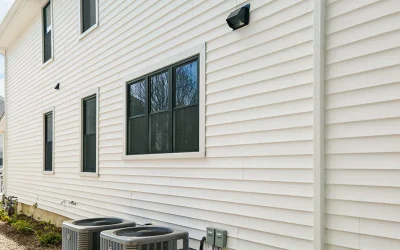

The 30 Second Version
If you only have time to check a few things before winter, start with the parts of your home that keep water and weather where they belong. Pay special attention to anything that may have taken a hit during summer storms. Start with your roof. Make sure gutters and downspouts can drain. Look for gaps around windows and doors. Check siding and trim for damage or movement. Pay attention to where water collects around the house. And look for damaged or overhanging tree limbs before snow and ice add more weight. You don’t need to chase down every cosmetic flaw before the first freeze. The goal is to spot the issues that water, snow, ice, wind, and freezing temperatures could turn into bigger problems. That’s what matters most before winter sets in.
A Fall Exterior Inspection Isn’t About Finding Everything Wrong With Your House
If you walk around any home long enough, you’ll find something. A little fading. A small dent. An old stain. A piece of caulk that isn’t as pretty as it used to be.
Fall maintenance lists can make it feel like every little thing needs to be fixed right away. That’s not the case. A better fall inspection asks a different question:
What problems could become more significant once winter weather arrives?
That’s where we focus our attention. Think about water getting where it shouldn’t. Materials that are loose or damaged. Drainage that isn’t working. Openings that allow moisture or cold air through. Damage left behind by summer hail or wind. Those issues matter more than making your exterior look perfect before December.
1. Start With the Roof, Especially After a Stormy Summer
Your roof is the best place to start, and you don’t need to climb up there yourself.
Start from the ground. Look across the roofline for anything that appears noticeably different. Missing shingles are an obvious concern, but also look for sections that appear lifted, uneven, damaged, or out of place.
Then think about what happened over the summer. Did your neighborhood experience hail? High winds? Severe thunderstorms? Falling branches?
A roof can take storm damage without showing an immediate leak inside. That’s why fall is the right time to check what summer may have left behind, before snow and ice hide the signs.
Pay particular attention if your roof is older or you’ve already had previous roofing concerns. And remember, just because you don’t see a leak doesn’t mean there isn’t a problem. If something looks off or your home went through a big storm, that’s a good time to call in a professional inspection.
2. Make Sure Your Gutters Can Actually Move Water
Fall is the season when most homeowners already have gutters on their minds. You can see the leaves. But clearing out leaves is only part of the job. The more important question is:
Where does the water go?
Your gutters should collect runoff from the roof, move it into the downspouts, and discharge it somewhere appropriate away from the home. Look for sections that sag, pull away from the fascia, leak, or overflow during rain. Then follow the downspouts. If downspouts are dumping water right next to the foundation or into a spot that’s already wet, the gutter might be working, but the drainage system as a whole isn’t.
That’s an important distinction. Before the freeze hits, make sure water has a clear path off the roof and away from your home. And while clean gutters help with drainage, cleaning them alone won’t prevent ice dams. Ice dams are a larger roofing and attic issue involving snow, roof temperatures, insulation, air sealing, ventilation, and weather conditions.
3. Look at the Places Where Your Roof Has Openings
Shingles get most of the attention. But some of the spots we watch most closely are where the roof meets something else.
- Chimneys.
- Vents.
- Walls.
- Valleys.
- Other penetrations.
These areas often rely on flashing and other water-management details to direct moisture correctly. From the ground, you may not be able to evaluate those components closely, and that’s okay. What you can look for are obvious changes, loose materials, staining, or areas where something appears out of place.
If you’re having a professional roof inspection performed, flashing and roof penetrations should be part of it. A real roof inspection is about more than just counting shingles.
4. Check Windows and Doors for Gaps, Not Just Drafts
Once temperatures fall, drafty windows and doors become much easier to notice. But fall gives you a chance to spot some of those issues before they get worse.
Walk around the exterior and examine the areas where windows and doors meet the surrounding wall. Look for cracked, separated, deteriorated, or missing sealant where sealant is intended to be used. Inside, pay attention to obvious drafts or areas that have previously shown moisture staining. Weatherstripping around operable windows and doors can wear down over time as well.
This is where we avoid jumping to conclusions. Feeling a draft doesn’t automatically mean you need new windows. The issue could involve weatherstripping, installation, air sealing, deteriorated sealant, or the window itself.
The goal is to spot the symptom first. Then figure out what’s actually causing it.
5. Walk the Siding Instead of Just Looking at the Color
Most homeowners look at siding primarily as an appearance product.
Before winter, see it as part of your home’s defense against the weather. Walk around the house and look for siding that is visibly loose, cracked, broken, warped, or missing.Pay particular attention to areas where siding meets windows, doors, rooflines, decks, utilities, and other transitions.
Those intersections often matter more than the middle of a big wall. If you have wood trim, fascia, or other painted wood components, look for areas that appear soft, deteriorated, peeling, or chronically wet. With vinyl siding, don’t assume every bit of movement is a defect. Vinyl is designed to expand and contract as temperatures change.
The real concern is when panels are damaged, loose, or not doing their job. This is also where installation quality matters. Even the best siding can’t make up for poor flashing or bad moisture management behind it.
6. Look Down: Where Does Water Collect Around Your House?
One of the most important parts of a fall inspection isn’t about the house itself.
Look at the ground around it. After a good rain, walk the property from a safe location and see where water goes.
- Does it move away from the house?
- Does it collect near the foundation?
- Are there areas where gutters or downspouts have washed away mulch or soil?
- Are you seeing erosion beneath the roofline?
- Does one part of the yard remain unusually wet?
Water management doesn’t end at the bottom of the downspout. The roof, gutters, downspouts, and surrounding drainage all work together. Winter adds another complication because water can freeze.If you’ve already seen drainage problems during fall rain, it’s worth understanding them before snowmelt adds to the mix.
7. Check Soffit, Fascia, and Exterior Trim
These might not be the first things you think about, but they’re worth checking during your walk-around. Look for visible deterioration, loose sections, staining, peeling finishes, or places that appear damaged. If fascia behind a gutter has been repeatedly exposed to overflowing water, for example, the gutter issue and trim issue may be connected. Soffit areas can also provide clues about moisture, ventilation, or pest activity.
Again, you don’t need to diagnose every spot you see. You’re looking for changes and clear signs of deterioration that deserve a closer look.
8. Look Up at the Trees Before Snow and Ice Do the Work for You
Trees provide shade, privacy, and character. They can also become a risk when branches are dead, damaged, or hanging over the roof. A branch that looks stable in fall can act very differently once it’s loaded with snow or ice. Walk around the property and look for obvious hazards above the roof, gutters, siding, and other exterior areas.
That doesn’t mean every branch over your roof has to go. But dead or damaged limbs are worth taking care of. Big tree work isn’t a DIY job. If major pruning is needed, call a qualified tree professional.
9. Check the Attic Before You Blame the Roof
This takes us inside, but it’s too important to skip during an exterior inspection. If your attic is safely accessible, look for signs of moisture, staining, damp insulation, or unusual condensation. Also make sure obvious ventilation openings haven’t been blocked.
The attic can show problems you won’t see from outside. It also plays an important role during winter. Heat and moisture moving through the home can influence attic conditions and roof temperatures. That relationship is one reason insulation, air sealing, and ventilation matter when discussing winter condensation and ice dams.
If you find moisture, don’t immediately assume the roof is leaking. Roofing, ventilation, indoor humidity, insulation, and air leakage can all contribute to attic moisture. The next step is to find the source.
What Doesn’t Need to Become an Emergency Before Winter?
This matters just as much as knowing what to inspect. Not every exterior imperfection needs to be addressed before the first snowfall.
Minor fading doesn’t suddenly become dangerous just because it’s November. A small siding dent might not look great, but it doesn’t always affect performance. An older roof isn’t always a failing roof. And one cracked bead of exterior sealant doesn’t mean you need all new windows.
Focus on function over appearance. Is water getting somewhere it shouldn’t? Is something loose? Is a component no longer draining correctly? Is there an opening in the exterior? Did storm damage affect the system? Is there evidence of ongoing moisture?
Those are the questions that help you focus on what matters, not just add to your to-do list.
What Can You Check Yourself, and When Should You Call Someone?
Most fall inspection work starts with a simple walk around your property. You can watch gutters during rainfall. You can look for missing shingles from the ground. You can check downspouts. You can inspect accessible window and door seals. You can look for damaged siding. You can notice drainage problems.
We don’t recommend climbing onto a steep, wet, frosty, or unsafe roof to get a closer look. If you’ve had a big storm, see something that worries you, have an older roof, notice moisture, or just can’t safely check an area, that’s when it’s time to call a professional.
A professional inspection should give you answers. It shouldn’t create problems that aren’t there.
The Fall Exterior Inspection Checklist That Actually Matters
If you want a simple guide for your walk-around, start here:
| Roof | Missing, damaged, lifted, or unusual-looking areas | Winter can expose existing vulnerabilities |
| Flashing & Penetrations | Visible movement, damage, or previous leak areas | These transitions help manage water |
| Gutters | Debris, sagging, leaking, overflowing | Rain and snowmelt need somewhere to go |
| Downspouts | Blockages or poor discharge locations | Water should move appropriately away from the home |
| Windows & Doors | Deteriorated seals, weatherstripping, obvious gaps | Helps manage air and moisture |
| Siding | Loose, cracked, damaged, or missing areas | Exterior walls need to continue shedding weather |
| Trim / Fascia / Soffit | Moisture damage, deterioration, loose components | Problems can indicate drainage or moisture concerns |
|
Drainage
|
Pooling, erosion, saturated areas | Winter adds freezing and snowmelt |
| Trees | Dead, damaged, or hazardous overhanging limbs | Snow, ice, and wind add additional stress |
| Attic | Moisture, staining, condensation, blocked ventilation | Can reveal roof or building-envelope issues |
You don’t need to find something wrong in every category. In fact, hopefully you don’t. The checklist is there to help you focus on what matters most.
Questions We’d Ask If It Were Our House
If we were doing our own fall inspection, we’d ask:
What happened to our home this summer? If there were significant hail or wind events, we’d factor that into what deserves a closer look.
Where does rainwater go? We’d follow it from the roof to the gutter, down the downspout, and out into the property.
Is anything loose, open, or visibly damaged? Winter isn’t when you want to find out something started failing back in fall.
Are we seeing moisture anywhere it shouldn’t be? That includes the attic, exterior walls, trim, and areas near the foundation.
Are we looking at a cosmetic problem or a performance problem? Those don’t always need the same urgency.
Can we safely evaluate it ourselves? If the answer is no, we’d rather have someone qualified take a look than risk climbing onto a roof in bad conditions.
Frequently Asked Questions
What are the most important exterior things to check before winter?
Prioritize your roof, gutters and downspouts, windows and doors, siding, exterior drainage, and any areas that experienced summer storm damage. Focus particularly on problems involving water management, openings, loose materials, and ongoing moisture.
Should I have my roof inspected every fall?
Not every home necessarily needs a professional roof inspection every year. An inspection becomes more worthwhile after significant hail or wind, when a roof is aging, when you’ve noticed visible changes, or when there are signs of moisture or leaking.
Do I need to clean my gutters before winter?
If leaves or debris are restricting drainage, yes. Gutters and downspouts need to be able to move rain and snowmelt effectively. Cleaning gutters supports proper drainage, but it doesn’t by itself prevent ice dams.
Should I seal around my windows before winter?
Damaged or deteriorated exterior sealant may need attention, but don’t simply apply new caulk over every window because winter is approaching. Determine where sealant is intended, whether it has actually failed, and whether a larger installation or moisture issue is present.
Can cold weather make small exterior problems worse?
It can make certain existing problems more noticeable or consequential. Moisture, freezing temperatures, snow, ice, wind, and repeated freeze-thaw cycles can expose vulnerabilities that already existed.
Is fall too late for exterior repairs?
Not necessarily. Many exterior projects can still be completed during fall and, depending on the product and weather conditions, into colder months. Installation requirements and conditions should determine whether the work can be performed properly.
Your House Doesn’t Need to Be Perfect Before Winter
That’s the main takeaway from this checklist. Getting your home ready for winter doesn’t mean fixing every flaw you see. It means knowing which parts of your home keep water and weather out, and making sure those systems are still doing their job.
- Start with the roof.
- Follow the water.
- Look for openings.
- Pay attention to damage.
- Think about what summer may have left behind.
- And don’t ignore the areas where multiple exterior systems meet.
At Stronghouse, we believe fall maintenance should give you clarity, not just another overwhelming list of projects. Your house doesn’t need to look perfect before the first snow falls. It just needs to be ready to handle what winter brings.
| Your Roof Survived Summer. Is It Ready for a Midwest Winter? | Are Gutters Actually That Important? What Happens If You Ignore Them |
| Take a deeper look at how summer hail, wind, heat, and storms can create roofing vulnerabilities that winter weather may expose. | Learn why gutters and downspouts matter, how they manage roof runoff, and what happens when water doesn’t have a clear path away from your home. |