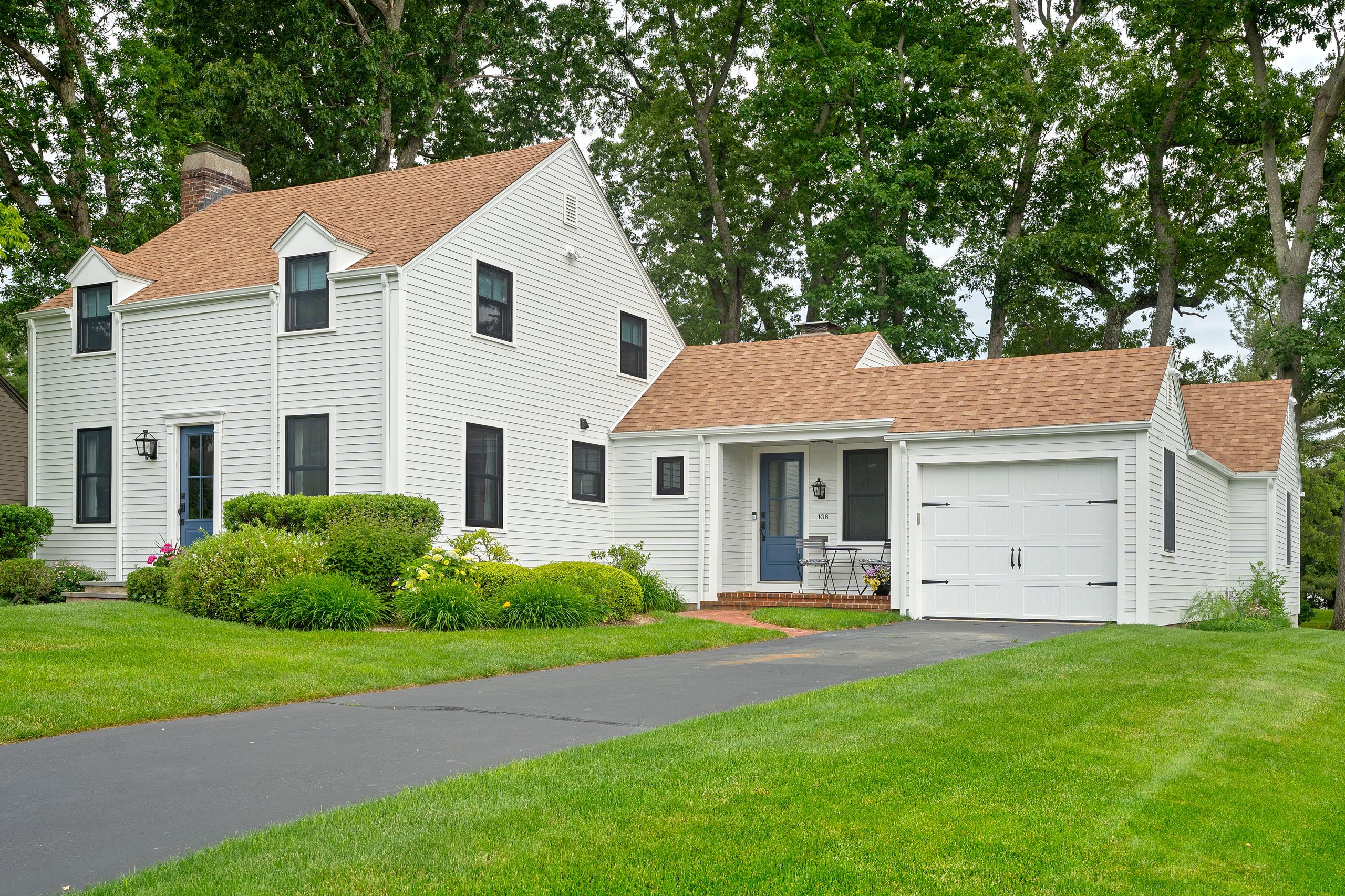
Executive Summary: For historic and older New England homes, the top roofing choices are natural slate, standing-seam metal, synthetic or composite slate, cedar, and architectural asphalt shingles. But choosing the right material is about more than looks. You need to consider your home’s structure, roof pitch, ventilation, moisture control, local weather, budget, and any historic-district rules. Natural slate lasts for generations and keeps a home’s historic character, but it’s heavy—some homes need a structural check before it goes on. Metal stands up to New England weather and lasts, but it doesn’t suit every style. Synthetic materials give you the look of slate or shake without the weight. Architectural asphalt is a practical choice where preservation rules allow. The right roof for an older New England home honors its character and makes sure the whole system works for today’s needs.
Why Do Older New England Homes Need a Different Roofing Approach?
Replacing the roof on a newer home is usually straightforward. But working on a 100-year-old Colonial, Cape, Victorian, or coastal cottage is a different story.
Older New England homes weren’t built for today’s roofing materials, ventilation, insulation, or moisture control. Many have seen decades of renovations, and what’s under the shingles often tells a story all its own. That’s why picking a material from a sample board isn’t enough.
Before you choose what goes on your roof, it’s important to know what’s already there. The condition of your roof decking matters. So does the strength and layout of the framing. Attic ventilation, past repairs, even how many layers of roofing you have and how additions were built in—all of it shapes the project.
For older homes, the first question shouldn’t be:
“What’s the best roofing material?”
It should be:
“What’s the best roofing system for this particular house?”
What Are the Best Roofing Materials for Older New England Homes?
There’s no universal winner, but several materials consistently make sense for older homes depending on the property’s architecture and condition.
| Roofing Material | Best For | Primary Advantage | Main Consideration |
| Natural Slate | Historic authenticity and longevity | Traditional appearance and exceptional durability | Weight, specialized installation, and cost |
| Standing-Seam Metal | Durability and steep rooflines | Strong weather performance and efficient shedding of snow | Appearance and historic-district requirements |
| Synthetic/Composite Slate | Historic appearance with less weight | Mimics traditional materials without the weight of natural slate | Product quality and local approval |
| Cedar Shingles/Shakes | Traditional New England character | Authentic natural appearance | Higher maintenance and moisture management |
| Architectural Asphalt | Practicality and value | Widely available with many style options | Less historically authentic than traditional materials |
The best choice depends on what you want to preserve and what your home can truly support.
Is Natural Slate the Best Choice for a Historic Home?
For certain historic New England homes, it’s hard to match the appearance of natural slate.
Slate has been used on historic buildings throughout the Northeast and can complement architecture where maintaining an authentic appearance is a priority. It’s also known for its potential to perform for generations when the material, structure, and installation are all appropriate.
But slate isn’t automatically the right answer just because a home is old. It’s significantly heavier than many modern roofing materials. Before installing it, the existing roof structure may need to be evaluated to determine whether it can support the additional load. Slate installation also requires specialized expertise. Repairing and installing slate isn’t the same as installing asphalt shingles, and the quality of the workmanship can have a major impact on long-term performance.
For the right home and budget, slate is a strong investment. For other homes, slate’s weight or cost may make another material a better fit.
Does Standing-Seam Metal Work on Older Homes?
Metal roofing can be an excellent option for many New England homes, particularly those with steep rooflines or significant exposure to snow and changing weather. Its durability and ability to shed precipitation make it appealing in a region that experiences everything from summer heat to heavy winter weather. Architecturally, metal can also work beautifully on certain Colonials, farmhouses, additions, and other traditional New England designs.
The real question is whether metal fits your home.
If the property is located within a designated historic district, changes to visible exterior materials may be subject to local review. Even outside those districts, homeowners should consider whether the profile and finish complement the home’s original architecture. Metal performs well, but the best choice balances looks, context, and durability.
What About Synthetic or Composite Slate?
Synthetic and composite roofing can be a smart middle ground if you want the look of slate or shake without the challenges of natural materials. One of the biggest potential advantages is weight.
A lighter roof can be more practical for an older structure that wasn’t built for slate. Many synthetic options also resist moisture and temperature swings—key in New England. But it’s important to compare these products carefully.
Not every synthetic roofing product is the same. Material composition, installation requirements, warranties, appearance, and long-term track record can vary. If you’re considering synthetic slate primarily to meet the appearance requirements of a historic property, you should also verify that the specific product is acceptable under any applicable local guidelines before making a final selection.
Is Cedar Still a Good Roofing Option in New England?
Cedar shingles and shakes are deeply connected to New England architecture, especially in coastal areas. If you value traditional character, natural cedar is hard to match.
The tradeoff is maintenance. Wood is an organic material, which means moisture management becomes especially important. The roof assembly needs to be designed and installed in a way that allows the material to perform in a climate with rain, snow, humidity, and repeated seasonal changes.
Ventilation and drying potential matter. Maintenance matters. The home’s specific exposure matters.
Cedar is still a beautiful choice, but it takes more care to keep it looking its best than lower-maintenance options.
Can You Put Architectural Asphalt Shingles on an Older Home?
In many cases, yes. Architectural asphalt shingles are a practical choice for many older homes without strict preservation rules. They’re easy to find, come in many colors and styles, and work with most New England homes—without the structural demands of heavier materials. Most roofing contractors know how to install and repair them, so future work is straightforward.
But just like with premium materials, workmanship matters. Putting new shingles on an older home doesn’t guarantee a high-performing roof. You still need to address the decking, flashing, ventilation, underlayment, and water management.
A modern shingle can’t solve problems hiding underneath it.
What Should Be Inspected Before Replacing the Roof on an Older Home?
This is where an older-home roof replacement often differs most from a straightforward reroofing project.
Before you pick a material, you need to understand the roof system you have. For example, an older attic may have ventilation that was appropriate when the home was built but no longer works effectively after decades of insulation upgrades and renovations. Roof decking may contain repairs from different eras. Chimneys, dormers, valleys, and additions may introduce complex flashing conditions.
In some homes, the most important discoveries happen after the existing roofing material comes off. That doesn’t mean homeowners should expect the worst. It means your estimate and plan should allow for surprises that older homes can reveal once the roof comes off.
Questions We’d Ask If It Were Our House
If we were replacing the roof on an older New England home, we’d want answers to a few important questions before choosing a material.
Has the existing structure been evaluated?
Before adding a significantly heavier material, we’d want to know whether the roof framing is appropriate for it.
What’s happening with the attic?
We’d want to understand ventilation and moisture conditions rather than simply putting a new roof over an existing problem.
How will flashing be handled?
Older homes often have chimneys, dormers, sidewalls, and architectural details that require careful water management.
Are there historic requirements?
If the property falls within a regulated historic district, we’d confirm applicable requirements before purchasing materials.
Who has experience installing this particular roofing system?
The more specialized the material, the more important installer experience becomes.
The goal is to make sure your roofing choice fits your house, not just the brochure.
Do Historic-District Rules Affect Which Roof You Can Choose?
They can.
New England has many locally designated historic districts, and requirements vary significantly from one municipality to another. Depending on where the property is located and whether it’s subject to historic review, homeowners may need approval before changing visible roofing materials, colors, profiles, or other exterior features.
Assumptions here can lead to problems you don’t need. Don’t assume your project will be approved just because a neighbor used a certain material. And don’t assume every older home has historic restrictions just because of its age. Before finalizing a roofing product, check with the appropriate local municipality or historic commission to understand whether specific requirements apply to your property.
Why the Best Material Is Only Part of the Decision
When you’re caring for an older home, it’s easy to focus on finding the perfect roofing material. But picking the right material is only part of what makes a roof last.
At Stronghouse, we see the roof as a complete system. We look at the roofing material, but also the decking, flashing, underlayment, ventilation, water management, and the structure itself. This matters even more with older homes. A beautiful slate roof won’t solve an underlying moisture problem. A premium asphalt shingle won’t compensate for failing flashing. And a historically appropriate material won’t perform as intended if the installation doesn’t account for the realities of the house beneath it.
Respecting an older home means understanding how it was built and making sure it’s ready for the future.
Which Roofing Material Is Right for Your Older New England Home?
If preserving historic authenticity is the highest priority and the home’s structure can support it, natural slate may be worth considering. If you’re prioritizing durability and weather performance, standing-seam metal could be a strong option where the architecture and local requirements allow it. If you want a traditional appearance with less weight, synthetic or composite products may provide a useful alternative.
Cedar remains an option for homeowners who value authentic character and are comfortable with the maintenance it requires. And for many older homes, architectural asphalt shingles offer a practical balance of appearance, availability, and value.
There’s no single material that’s best for every historic or older New England home. The right roof balances your home’s history, its current condition, your budget, the local climate, and how you want it to perform for years to come.
Frequently Asked Questions
What is the best roofing material for a historic New England home?
It depends on the home’s architecture, structure, location, and any applicable preservation requirements. Natural slate, metal, synthetic slate, cedar, and architectural asphalt can all be appropriate in different situations.
Can an old house support a slate roof?
Not every older home can support the weight of natural slate without additional consideration. The existing structure should be evaluated before selecting a significantly heavier roofing material.
Do I need permission to replace the roof on a historic home?
Possibly. Requirements vary by municipality and historic district. Check with the appropriate local authority before changing roofing materials or other regulated exterior features.
Is metal roofing good for New England winters?
Metal roofing can perform well in New England’s changing weather when the complete roofing system is properly designed and installed. Roof geometry, snow management, insulation, and ventilation should all be considered.
Should I replace an old roof with the same material?
Not automatically. Matching the original material may be important for certain historic properties, but the home’s structure, performance needs, maintenance expectations, and local requirements should all factor into the decision.
Continue Learning Before You Decide
| Roofing for the New England Climate | Comparing Coastal Roofing Options | Understanding Installation Quality |
| New England homes face a combination of snow, ice, moisture, wind, and temperature changes. Learn why roofing systems here may need a different approach.
Read: Why New England Homes Need Different Roofing Systems Than the Rest of the Country |
Live near the coast? See how slate, metal, asphalt, and other materials compare when salt air, wind, and coastal weather become part of the equation.
|
The material you choose is only as good as the way it’s installed. Learn why workmanship can have such a major impact on roof performance.
|
Protect the Character of Your Home and Plan for What’s Ahead
At Stronghouse, we know that working on an older home takes a different approach. Our goal isn’t just to put on the latest product. We take time to understand your home’s structure, respect its character, and choose a roofing system that protects it through every New England season. If you’re thinking about replacing the roof on an older or historic home, our team is here to help you weigh your options and find the right solution for your property.
About the Author