Architectural Shingles vs. 3-Tab Shingles Every year, we can count on at least one hurricane or tropical storm making its way up the coast, with...



Winter can cause real damage to your roof, but not every storm means you need a new one. True roof problems leave clear signs, including missing shingles, water stains inside, or sagging areas. If a contractor can’t show you exactly what’s wrong and why, you might be getting a sales pitch instead of real answers.
Let’s take a step back and focus on what really matters.
After a harsh winter, it’s common to get a knock on the door or a message saying a contractor was “in the neighborhood” and noticed storm damage. You look up at your roof and think it looks mostly fine, maybe a little worn, maybe not perfect, but not obviously failing.
This is where things can get confusing.
Winter is tough on roofs. Snow, wind, freezing and thawing, and ice all put stress on your home. But there’s a difference between normal aging and real damage. What matters most is the evidence you can see.
When winter causes real damage, it leaves signs you can spot.
Here’s a simplified guide:

Ice dams are a common winter problem, but they’re often misunderstood. They form when heat escapes into the attic, melts the snow on your roof, and that water refreezes near the edge. As ice builds up, it prevents proper drainage and can force water under shingles.
Here’s what many homeowners aren’t told: ice dams usually mean there’s an issue with insulation or ventilation, not that your shingles have failed. Replacing the roof without addressing attic heat loss can leave the underlying issue untouched.
Granule loss is another area that can cause worry. All asphalt shingles shed some granules over time. It’s part of aging. What matters is whether the shingle surface is compromised enough to significantly shorten its lifespan.
A little granule dust in the gutters is normal. If you see a lot after a storm, it’s worth a closer look. The key is to look at the whole picture, not just one sign.
Not every contractor uses these tactics, but storm season can bring out aggressive sales approaches.
Be cautious if:
If the damage is real, it will still be there if you take a day or two to decide. Ask for photos. Ask for a clear explanation. Ask what failed and why. A trustworthy contractor will be glad to answer your questions.
You don’t need to get up on your roof to get answers.
Start from the ground. Look for debris, broken shingles in your yard, or gutters that look bent or loose. Use binoculars to check for bare spots. Next, check your attic. Look for damp insulation, stains on the wood, or musty smells. These signs tell you more about real problems than just looking at the roof from outside.
If everything looks good in both places, you probably don’t have urgent structural issues.
Sometimes, waiting is not a good idea. Act promptly if you see:
These are signs of bigger problems that can get worse quickly.
Instead of asking, “Do I need a new roof?” ask yourself, “Is the roof failing or is it simply aging?”
Winter can show you where your roof is vulnerable, but it doesn’t mean your roof is ruined. If there’s real damage, you’ll see clear signs. If not, you deserve to know that, too.
If you’re exploring options or planning next steps, let’s talk about what’s possible.
Architectural Shingles vs. 3-Tab Shingles Every year, we can count on at least one hurricane or tropical storm making its way up the coast, with...
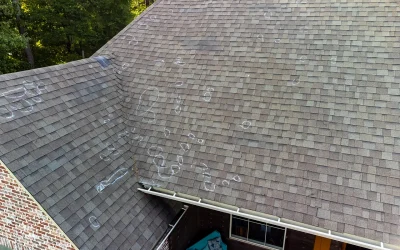
Types of Hurricane Roof Damage Hurricanes pose a serious threat to your roofing system. Fortunately, there are many things you can do to prepare...
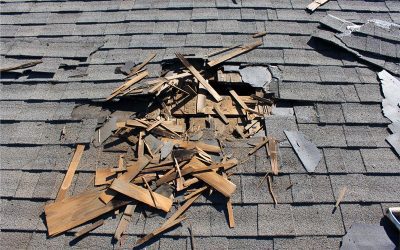
After a storm damages your roof, you need to call a roofing company as soon as possible to prevent further damage. While the repair process may seem...
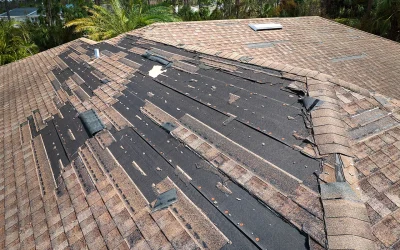
When a hurricane blows through, checking for shingle damage is one of the first things you should do. Here’s why: It only takes a tiny breach in...

Hurricane season in Florida isn’t just a potential threat—it’s a yearly certainty. With powerful winds, torrential rain, and flying debris, even a...
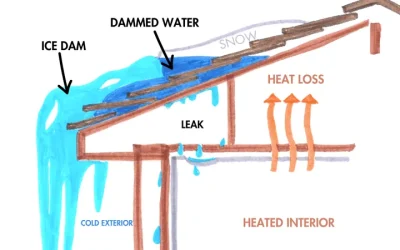
What’s an Ice Dam? What exactly is an Ice Dam? An ice dam is an ice formation that usually forms along the roof’s edge and restricts melting snow...