
Spring often reveals roof damage, and the first question on many homeowners’ minds is the same:
“Can this wait until fall?”
Sometimes waiting is possible. But if you’re dealing with leaks, missing shingles, or anything that lets water in, waiting can turn a simple fix into a much bigger, costlier job.
The real question is not just about waiting. It’s about what happens to your home while you do.
Why So Many Homeowners Want to Wait
Spring is when many homeowners first notice roof issues. As snow melts and storms roll in, you start to see wear and debris that winter hid. But spring also brings a long to-do list, like other home repairs, travel, and family plans, all competing for your attention and budget.
That leads to a very understandable question:
“Is it dangerous if I wait until fall?”
Often, it comes down to how serious the problem is right now. Some roof issues stay put for months. Others get worse with every rainstorm.
The Hidden Risk Curve of Roof Damage
Roof damage almost never stands still. Most problems follow a pattern: what starts small can slowly spread to other parts of your roof. Here’s what that usually looks like.
Month 1–2: Minor Exposure
A few lifted shingles or a bit of damaged flashing might not leak right away. Your roof still looks fine from the outside.
Month 3–4: Water Entry Begins
Spring storms and summer rain make it easier for water to sneak under shingles or flashing. Once moisture gets in, it starts to affect the layers underneath, like the underlayment and roof deck.
Month 6+: Structural Damage Risk
Over time, trapped moisture can soften the roof deck, ruin insulation, and set the stage for mold. At that point, a simple repair can turn into a much bigger job. The timing can change, but the pattern is the same: small problems grow when weather keeps hitting them.
Safe to Wait If…
Sometimes, it’s reasonable to wait until fall to make a repair. You may have some flexibility if:
- The roof damage is cosmetic or minor
- No interior leaks or water stains are present
- Shingles are intact with only small localized wear
- Flashing and penetrations appear secure
- A professional inspection confirms the roof is still watertight
In these cases, waiting can be a smart way to manage your budget.
Fix It Now If…
But some roof problems just can’t wait. Immediate attention is recommended if:
- You see water stains on ceilings or attic decking
- Shingles are missing or large areas are exposed
- Flashing around chimneys, vents, or skylights has failed
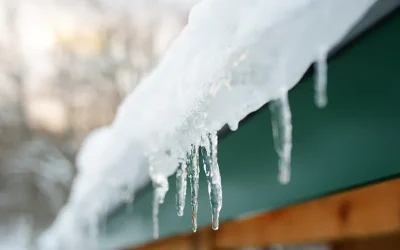
- Ice dam damage allowed water under shingles
- The roofline appears sagging or uneven
These signs mean water may already be getting inside. Waiting in these situations puts your home at risk for bigger, more expensive damage inside.
Why Spring Damage Can Worsen Through Summer
A lot of people think roof problems only get worse in winter. But spring and summer storms can speed up the damage, too. Rain, wind, and changing temperatures can slowly turn small gaps into bigger ones. Even if you don’t see water inside yet, it can still be causing trouble under the surface.
That’s why a small roof issue in spring can become a major repair by fall.
Cost vs Timing: The Financial Tradeoff
Putting off repairs can save you money right now, especially if the problem isn’t urgent. But if the damage gets worse, the costs can add up fast. A small repair today might involve:
- Replacing several shingles
- Resealing flashing
- Minor underlayment work
If water gets into the roof deck or insulation, you could be looking at repairs inside your home, not just on the roof. That difference can mean thousands of dollars.
How to Decide With Confidence
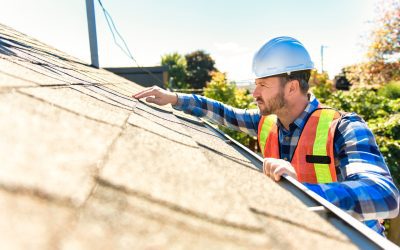
If you’re not sure whether it’s safe to wait, the best move is to get a professional inspection focused on your roof’s real risks, not a sales pitch. A clear evaluation should answer questions like:
- Is the roof currently watertight?
- Is damage localized or spreading?
- Could upcoming storms worsen the issue?
- What’s the realistic timeline before the risk increases?
With clear answers, you can make decisions based on facts, not guesswork.
The Better Way to Think About Roof Timing
Waiting isn’t always the wrong choice. But waiting should be a choice you make with confidence, not a roll of the dice.
The key is knowing if your roof’s problem is holding steady or getting worse. If the issue is stable, you can plan repairs around your budget and the seasons. If it’s active, it’s likely to get worse with every storm.
Knowing where your roof stands turns a stressful decision into a confident one.