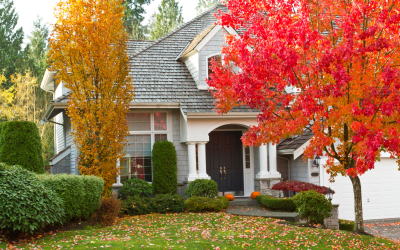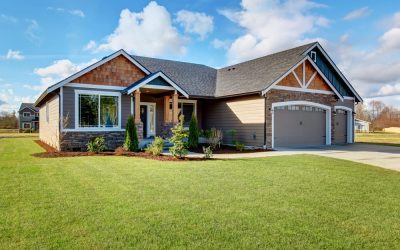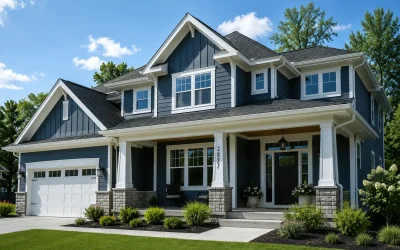

Executive Summary: For most Massachusetts homeowners, architectural asphalt shingles deliver a strong balance of performance, value, and curb appeal. They stand up to New England’s unpredictable weather and come in options built to handle wind, cold, and tough storms. But no single roofing material is right for every Massachusetts home. If you’re focused on long-term durability and snow management, standing-seam metal is worth a look. For historic or high-end homes, natural slate brings unmatched longevity and character. Synthetic slate and shake offer the look without the weight, while cedar delivers classic New England style but asks more in maintenance. The best roof for your home depends on its architecture, location, your budget, the structure underneath, and how long you plan to stay.
Why Does Massachusetts Weather Make Roofing Material So Important?
A Massachusetts roof works hard every day. It faces summer heat, heavy rain, freezing cold, snow, ice, wind, and constant swings between freezing and thawing.
Where you live in Massachusetts adds another layer of challenge. A home near the Massachusetts coast can experience very different conditions than a home farther inland. Coastal properties may face stronger winds, wind-driven rain, salt exposure, and nor’easters, while inland homes can experience colder winter temperatures, heavier snow, and more pronounced freeze-thaw cycles.
That’s why simply asking, “What’s the best roofing material?” misses the real question. The better question is:
“What’s the best roofing material for my Massachusetts home?”
Architectural Asphalt Shingles: Best Overall for Many Massachusetts Homes
There’s a reason asphalt shingles remain one of the most common roofing materials across New England. They’re versatile, relatively affordable compared with premium roofing systems, and available in a wide range of colors and styles that work with everything from Colonials and Capes to ranches and newer construction.
For most Massachusetts homes, this is where we start the conversation. Modern architectural shingles are thicker and more dimensional than traditional three-tab shingles, and different products are available with features designed for wind, impact, algae, and other environmental conditions. They also don’t require the structural considerations that come with something significantly heavier, like natural slate.
The tradeoff is lifespan. Asphalt won’t last as long as some premium options, and Massachusetts weather will eventually wear it down. But if you want a roof that balances cost, durability, looks, and easy repairs down the road, architectural asphalt shingles are tough to beat.
Standing-Seam Metal: Best for Long-Term Durability
Metal roofing has a long history in New England, and modern standing-seam systems can be particularly well suited to the Massachusetts climate. Metal’s biggest strength is how well it sheds snow. Its smooth surface and vertical seams help snow and water slide off quickly, which is a real advantage in a Massachusetts winter. Metal also resists many of the issues that trouble organic roofing, and a well-built system can last for decades.
But there are tradeoffs. You’ll pay more upfront than you would for asphalt. And because snow can slide off metal roofs all at once, you may need snow guards and smart drainage around doors, walkways, and landscaping. Metal makes sense if you’re ready to invest more now for a roof that could last much longer.
Natural Slate: Best for Historic Character and Exceptional Longevity
Take a drive through Massachusetts’ older neighborhoods and you’ll see roofs that have stood the test of time.
Many are slate. Natural slate is one of the longest-lasting roofing materials you can choose, and it fits historic New England homes beautifully. It’s resistant to water, fire, and many forms of environmental deterioration.
But slate brings two big challenges: weight and cost. Slate is much heavier than asphalt. Before you install it on an older home, you need to make sure the structure can handle the extra weight. Installation also requires specialized experience.
For the right home and budget, slate is a roof that can last for generations. For most homeowners, though, it’s more than you’ll ever need.
Synthetic Slate and Shake: Best When You Want the Look Without All the Weight
What if you love the character of slate or cedar but don’t want some of their drawbacks?
That’s where synthetic and composite roofing come in. These materials are designed to recreate the texture and appearance of traditional roofing while typically weighing considerably less than natural slate.
That makes them a smart choice for older Massachusetts homes where you want to keep the character but can’t add a lot of weight. Depending on the product, they may also offer strong resistance to moisture, impact, and freeze-thaw conditions.
The tradeoff is price. These are usually premium products compared to standard asphalt shingles. It’s important to check the manufacturer’s testing, warranty, installation needs, and track record. Not all synthetic roofing performs the same.
Cedar Shingles and Shakes: Beautiful, Traditional, but Higher Maintenance
Few roofing materials fit New England better than cedar.
Cedar brings warmth, texture, and character you just can’t get from manufactured products. That’s especially appealing for coastal, historic, Cape-style, and traditionally designed homes.
But cedar demands more from you as a homeowner. Moisture, shade, organic growth, and poor airflow can all take a toll on wood roofing. Proper installation and ventilation matter, and you’ll need to be ready for more ongoing maintenance.
If authentic appearance is your top priority, cedar can be worth every bit of effort. If you want to keep exterior maintenance low, another material is likely a better fit.
Comparing Roofing Materials for Massachusetts Homes
| Roofing Material | Best For | Maintenance |
Relative Upfront Cost
|
Key Massachusetts Consideration |
|
Architectural Asphalt
|
Best overall balance | Low–Moderate | $–$$ | Versatile option for changing New England weather |
| Standing-Seam Metal | Long-term durability | Low | $$$ | Excellent snow shedding; requires careful snow management |
| Natural Slate | Historic homes & longevity | Low–Moderate | $$$$ | Extremely durable but very heavy |
| Synthetic Slate/Shake | Historic look with less weight |
Low
|
$$$ | Good alternative when natural materials aren’t practical |
| Cedar | Traditional New England character | Higher | $$$ | Moisture and ventilation require additional attention |
How a roof performs, what it costs, and how much maintenance it needs all depend on the product, roof design, installation, your property, and where you live.
What About Three-Tab Asphalt Shingles?
If you’re comparing roofing estimates, you may still encounter basic three-tab shingles.
Their biggest advantage is price. But price is only part of the story.
Architectural shingles have more dimension and stronger construction, which is why most homeowners choose them for long-term performance and curb appeal. If one roofing estimate is much lower than another, check to see if it’s using basic three-tab shingles.
Always compare the exact product and roofing system, not just the words “asphalt shingles” on both estimates.
Does Your Location in Massachusetts Change the Answer?
It does.
A roofing recommendation for a home near the coast shouldn’t automatically be identical to one for a home farther inland. Near the coast, we focus on wind resistance, proper fastening, flashing, corrosion-resistant parts, and protection from wind-driven rain. Farther inland, snow loads, ice dams, attic ventilation, and freeze-thaw cycles become bigger factors.
The architecture matters too. A steep roof sheds water differently than a low-slope one. Shade and sun affect moisture in different ways. Older homes may have structural or ventilation needs that newer homes don’t.
Your ZIP code doesn’t decide your roof. Your home needs to be part of the decision.
Don’t Choose a Roof Without Looking at What’s Underneath It
One of the biggest mistakes is focusing only on shingles and ignoring the rest of the roofing system.
The visible roofing material is only one layer. Underlayment, ice and water barriers, flashing, ventilation, decking, fasteners, and installation all play a role in how your roof performs.
This matters even more in Massachusetts because of the risk of ice dams. Even the best shingle can’t make up for moisture issues, poor ventilation, damaged decking, or bad installation.
That’s why at Stronghouse, we help you look at the whole roofing system, not just the material on top.
Questions We’d Ask If It Were Our House
If we were replacing a roof in Massachusetts, we wouldn’t start by asking which product has the longest warranty. We’d ask:
How long do I plan to own the home?
If this is your forever home, a premium material with a higher upfront cost may make the most sense.
Is my home coastal or inland?
The weather you face can be very different.
Does my home’s architecture influence the material?
Historic and older homes often need a different approach than newer builds.
How much maintenance am I willing to accept?
Living with asphalt, metal, slate, or cedar is a very different experience.
What does my roof need beyond the surface material?
Ventilation, decking, flashing, drainage, and ice protection all need to be part of the conversation.
And finally:
Who is installing it?
Because even the best roofing material can’t make up for poor workmanship.
So, What’s the Best Roofing Material for a Massachusetts Home?
For most homeowners, architectural asphalt shingles are the best starting point. They offer a practical mix of performance, affordability, good looks, and availability. But the best choice depends on you and your home.
If you want long-term durability, metal is worth a serious look. If you’re preserving a historic property and the budget allows, slate is hard to beat. If you want historic character without the weight of slate, composite products can be a smart middle ground. And if authentic New England style is your top priority, cedar is still an option, as long as you’re ready for the maintenance it needs.
The goal isn’t to pick the most expensive roof or the one with the flashiest claims. It’s about choosing a roofing system that fits your home, your climate, your budget, and your plans for the future.
Frequently Asked Questions
What is the best roofing material for Massachusetts?
For many Massachusetts homes, architectural asphalt shingles provide the best overall balance of price, performance, appearance, and maintenance. Metal, slate, synthetic roofing, and cedar can be better choices for homeowners with specific priorities.
What roofing material handles Massachusetts snow best?
Standing-seam metal is particularly effective at shedding snow, although proper snow-retention systems may be needed to control where that snow falls. Asphalt, slate, and other roofing materials can also perform well when the complete roofing system is properly designed and installed.
Is a metal roof worth it in Massachusetts?
It can be, particularly for homeowners prioritizing longevity and lower maintenance. The higher upfront cost should be weighed against how long you plan to own the home and your long-term goals.
What roof is best for an older Massachusetts home?
It depends on the home’s architecture and structure. Slate, cedar, metal, synthetic slate, and architectural asphalt can all be appropriate. Historic-district requirements should also be checked before selecting materials.
Does roofing installation matter as much as the material?
Absolutely. Flashing, ventilation, underlayment, fastening, ice protection, and workmanship all affect how well a roof performs. Premium materials cannot compensate for poor installation.
Continue Learning Before You Choose a Roof
| Understand the Numbers | Know Why Installation Matters |
| Deciding between repairing and replacing your roof? Look beyond the initial price to understand the long-term financial picture.
Read: Roof Repair vs. Replacement: The Math Contractors Won’t Show You |
Premium roofing materials still depend on the person installing them. Learn why workmanship plays such an important role in long-term performance.
|
Build for Massachusetts, Not Just for the Brochure
There are plenty of roofing products that promise durability, efficiency, and decades of performance. But your roof doesn’t live in a brochure. It protects your home through January freezes, March rain, July heat, coastal storms, heavy snow, and everything else Massachusetts weather throws at it.
At Stronghouse, we know the best roofing decisions start with understanding real-world conditions. Pick the right material for your home. Build the whole roofing system the right way. And make sure the workmanship is as strong as the product you see. That’s how you build a roof for Massachusetts, not just one that looks good on day one.
About the Author