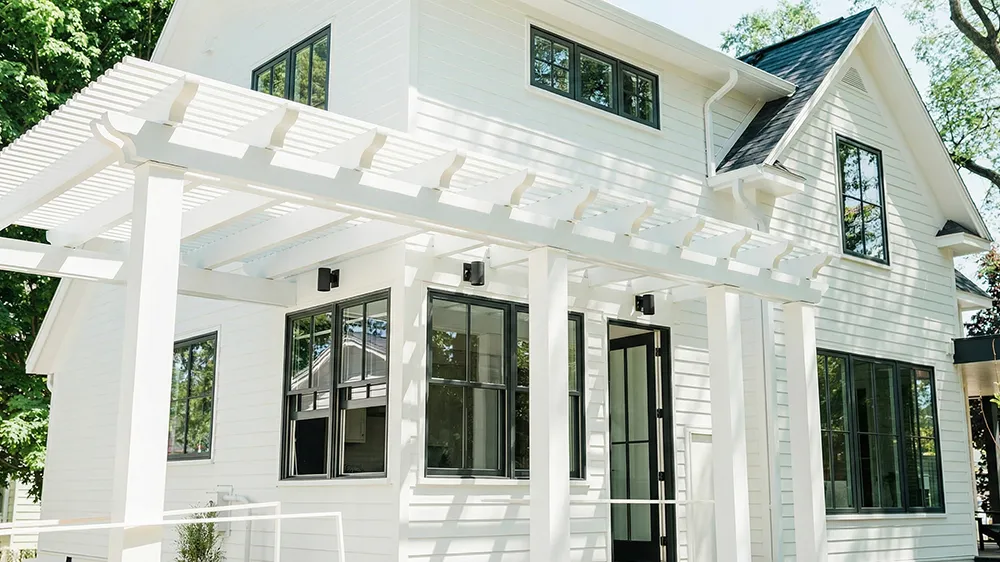
The best windows for your home are not the ones with the flashiest ads. They are the ones that stand up to real life, year after year. Vinyl, fiberglass, and wood each bring something different to the table, but how they handle weather, maintenance, and energy use over time is what truly sets them apart.
That is why choosing new windows is about more than just how they look.
It is about how your windows handle the seasons, how much work they ask of you, how well they keep your home comfortable, and whether they still do their job long after the installers have left.
Most homeowners are happy with new windows at first. The real differences show up later, when you start to notice things like:
- drafts,
- condensation,
- rising energy bills,
- sticking frames,
- fading finishes,
- or maintenance you did not see coming.
That is why it pays to understand the real tradeoffs between vinyl, fiberglass, and wood before you decide.
Most Window Conversations Focus on the Wrong Things
Too many window comparisons become overly simplified. Some companies push vinyl for the price. Others call fiberglass the premium pick. Wood often gets sold on looks alone.
But the truth is, there is no one-size-fits-all window. The right choice depends on:
- climate,
- sun exposure,
- humidity levels,
- maintenance expectations,
- architectural style,
- and how long you plan to stay in the home.
So the real question is not:
“Which window is best?”
It is:
“Which window performs best for my home and priorities?”
What works for a historic home in New England might not make sense for a modern home in Florida or the Midwest.
Vinyl Windows
Vinyl windows are popular for a reason. For many homeowners, they strike the right balance between:
- energy efficiency,
- affordability,
- and low maintenance.
Today’s vinyl windows are a big step up from what you might remember. The best ones come with insulated glass, stronger frames, better weather seals, and real gains in efficiency.
One of vinyl’s biggest strengths is its simplicity. Vinyl does not need repainting or regular sealing like wood. It stands up to moisture, which makes it a smart pick for humid or coastal areas. For many, vinyl delivers reliable performance without much day-to-day upkeep. But quality matters, a lot.
Lower-end vinyl can struggle with big temperature swings, especially where summers are hot and winters are cold. Cheaper frames may lose their shape or develop problems sooner. That does not make vinyl a bad choice. It just means there is a real gap between high-quality vinyl and the bargain options.
Fiberglass Windows
Fiberglass windows are gaining ground because they stay stable and strong year after year. Windows deal with constant expansion and contraction as the weather changes. Fiberglass handles this better than most, expanding and contracting less as the seasons shift.
That stability helps maintain:
- tighter seals,
- smoother operation,
- and more consistent energy performance over time.
This becomes especially important in climates that experience:
- freezing winters,
- intense summer heat,
- or dramatic seasonal shifts.
Fiberglass frames are strong and stand up to moisture. If you plan to stay in your home for the long haul, fiberglass is one of the best low-maintenance investments you can make.
The tradeoff is price. Fiberglass usually costs more upfront than vinyl, which is why it is often seen as a premium choice. For some, the extra durability and stability are worth the investment. For others, vinyl offers better value for their budget and needs.
Wood Windows
Nothing matches the look of real wood windows. For older homes, historic styles, or anyone who values character and warmth, wood delivers a look other materials cannot quite match.
That is one reason wood remains especially popular in:
- traditional homes,
- luxury homes,
- and architecturally detailed properties.
Wood-clad windows are popular because they give you real wood inside and a weather-resistant exterior that stands up to the elements. But wood asks more of you than many homeowners expect. Unlike vinyl or fiberglass, wood requires ongoing maintenance to protect against:
- moisture,
- UV exposure,
- humidity,
- and seasonal weather changes.
Without proper upkeep, wood can eventually experience:
- swelling,
- peeling paint,
- warping,
- or rot over time.
That does not mean wood windows are a bad investment. In many homes, they are absolutely the right aesthetic choice. If you choose wood, know that long-term maintenance comes with the territory.
The Glass Package Often Matters More Than Homeowners Think
One thing many people overlook is the glass itself. Many homeowners focus heavily on frame material while paying less attention to:
- glass coatings,
- gas fills,
- spacer systems,
- and overall insulation performance.
But those features make a huge difference in how energy efficient your windows really are. A well-made vinyl window with the right glass can outperform a lower-quality fiberglass or wood window in real-life situations. That is why you should never judge a window by frame material alone.
The whole system matters.
So does the quality of the installation. Even the best windows will not perform if they are installed poorly, sealed wrong, or not tied into your home the right way. Want to understand why installation matters so much long term? Read: Why Workmanship Matters More Than Materials (and How Warranty Fits In)
What Homeowners Usually Notice First
Most people expect energy savings to be the biggest change after new windows go in. But what you notice first is comfort. Rooms feel more comfortable. Drafts are gone. Hot or cold spots near windows fade away. Outside noise drops. Your home just feels easier to live in, no matter the season.
That boost in comfort is often why homeowners feel good about their new windows long before they see a change in their utility bill. Windows shape how your home feels every day.
Which Window Material Lasts the Longest?
There is no single answer because lifespan depends heavily on:
- climate,
- installation quality,
- maintenance,
- and overall exposure conditions.
Generally speaking:
- fiberglass offers some of the best long-term structural stability,
- vinyl offers strong longevity with minimal maintenance,
- and wood can last an extremely long time when maintained properly.
Every material comes with tradeoffs. That is why it is less about finding the “perfect” material and more about finding the right fit for your home and your life.
What Actually Matters Most
The best windows are not always the most expensive. And they are not the ones with the loudest marketing, either.
The right choice depends on how you want your home to perform for years to come. For some homeowners, vinyl offers the best combination of value, efficiency, and low maintenance. For others, fiberglass provides the durability and long-term stability they want for decades ahead. And for certain homes, especially older or architecturally distinctive properties, wood simply fits the home better aesthetically.
What matters most is understanding the real tradeoffs before you invest. The best windows are not just the ones that look good on day one. They are the ones that keep performing year after year, through every season and all the daily wear.
Vinyl vs Fiberglass vs Wood: Quick Comparison
| Window Type | Best For | Potential Tradeoffs |
| Vinyl | Best overall value and low maintenance | Lower-end products may move more during temperature swings |
| Fiberglass | Best long-term durability and structural stability | Higher upfront investment |
| Wood | Best architectural appearance and character | Higher long-term maintenance requirements |
| Understanding Window Replacement Timing | Learning About Energy Efficiency | Understanding Long-Term Installation Quality |
| Not every window needs immediate replacement. Understanding when replacement makes sense versus when repairs may still work can help homeowners make smarter decisions.
Read: When Should You Replace Your Windows? (And When You Don’t Need To) |
Many homeowners expect dramatic savings from new windows alone. Understanding how insulation, ventilation, and windows work together helps create more realistic expectations.
|
Long-term window performance depends on more than materials alone. Installation quality often determines whether windows truly hold up over time.
Read: Why Workmanship Matters More Than Materials (and How Warranty Fits In) |