Most winter losses don’t come from higher heating bills. The real costs show up when pipes burst, roofs fail, or heating systems break down. One frozen pipe can set you back more than years of extra energy use.
Here’s where homeowners actually lose the most
1. Burst Pipes and Water Damage
If there’s one winter problem that catches homeowners off guard, it’s a frozen pipe.
Frozen pipes often burst in uninsulated crawl spaces, exterior walls, or attics. When that happens, hundreds of gallons of water can flood your home in just a few hours. The damage goes beyond plumbing: soaked drywall, ruined floors, and sometimes even mold cleanup.
Average insurance claims for water damage and freezing range from $15,000 to over $30,000. Smaller repairs might cost $400 to $1,500, but once restoration is involved, the number climbs quickly.
The risk increases when:
- Pipes run through uninsulated areas
- Attics lack insulation
- Ice dams force water back into walls
- HVAC systems fail during cold snaps
This is the costliest winter mistake, and it often starts with insulation that’s been overlooked.
2. Roof Failures and Ice Dams
Ice dams are a winter problem many homeowners don’t see coming.
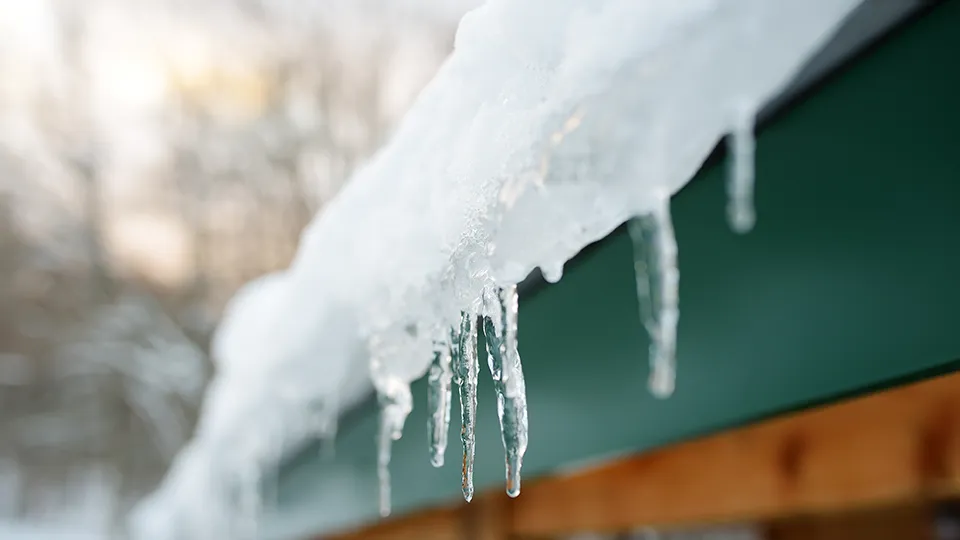
They form when heat escapes through a roof that isn’t well insulated. Snow melts, then refreezes at the edge, creating a barrier. Water can’t drain and ends up under the shingles and inside your home.
Insurance claims tied to ice dam-related water damage average around $11,100. Major roof repairs can range from $3,000 to $6,000 or more depending on severity.
Preventative ice dam removal typically costs $400 to $4,000 — significantly less than repairing interior water damage.
What makes this particularly important is how widespread freezing conditions are. Roughly 28% of U.S. census blocks experience more than 30 days of freezing temperatures annually, impacting over 31 million homes.
Ice dams aren’t just about the roof. They’re a sign that insulation or ventilation needs attention.
3. HVAC or Furnace Failure
When heating systems run nonstop in winter, skipped maintenance usually shows up when you least expect it.
Repair costs typically range from $132 to $500, but full system replacement can cost between $5,000 and $15,000. And if your system fails during a deep freeze, emergency repair surcharges often apply.
The real risk isn’t just being cold. It’s the damage that can follow.
No heat can lead directly to frozen pipes, multiplying financial impact. A $400 repair avoided in fall maintenance can turn into a five-figure insurance claim in January.
4. Excessive Energy Consumption
Energy loss doesn’t make a mess like burst pipes or leaks, but it adds up over time.
Drafts, poor insulation, attic heat escape, and leaky windows force HVAC systems to run longer. The average household can waste $200 to $400 annually in excess winter energy use. For the 2025 season, heating costs rose approximately 7.6% on average.
You might not get one huge bill, but energy waste is the biggest steady drain on your wallet each winter. Many homeowners focus on energy loss first, even though it’s rarely the most expensive winter problem.
5. Structural Damage from Snow Load and Wind
Heavy snow puts a lot of stress on roofs, especially on older homes or flat roofs.
In states like Maine, Vermont, and Alaska, more than one-third of homes face elevated snow load risk. Hazard data shows:
- 36% of homes in Maine
- 35% in Vermont
- 28% in New Hampshire
are at risk for snow load damage.
Roof collapse, sagging, and water getting inside can mean repairs that cost thousands, or even more in severe cases. Winter wind makes things worse. Strong winds can rip off shingles, knock down trees, and cause more water damage.
These problems don’t happen as often as burst pipes, but when they do, the costs are serious.
What This Ranking Really Means
Most people think winter costs are all about heating bills. But the numbers tell a different story.
The biggest losses happen when small problems are ignored and turn into big ones. In fact, more than 35% of homeowners report waiting until winter damage exceeded $500 before addressing it. Waiting usually makes the final bill much bigger.
Regions Most Affected
Severe winter damage isn’t just a problem for snowy states anymore.
In 2024, Oregon reported $47.6 million in winter-related property damage. During the 2023–2024 season, Texas led with $87.2 million, highlighting how unpredictable weather patterns are expanding risk zones.
Winter risk isn’t just for the north anymore.
If You’re Being Told Your Home Needs “A Lot of Work”
Here is what most homeowners need to know:
You do not have to fix everything at once. The real question is not, ‘What is wrong?’ It is, ‘What could cost me the most if I ignore it?’ Based on impact, here is how to prioritize:
Fix Immediately
Exposed or Uninsulated Pipes
Fix Soon (Preventative)
Ventilation Imbalances
Plan & Improve Over Time
Energy Efficiency Upgrades
Active Roof Leaks
Heating Systems Showing Signs of Failure
Gutter Blockages
Minor Roof Wear Before Snow Accumulation
Insulation Improvements (if no immediate risk)
Window Replacements for Comfort
More than 35% of homeowners wait until winter damage costs more than $500 before taking action. That delay often makes the final cost much higher.
The Bigger Financial Takeaway
If you want to protect your home and your wallet this winter, don’t start by asking how to lower your heating bill.
It should start with:
- Are my pipes insulated?
- Is my attic properly insulated and ventilated?
- Are my gutters clear?
- Has my HVAC system been serviced?
- Is my roof structurally sound for snow and wind?
Simple steps like cleaning gutters, insulating pipes, clearing snow, and getting your HVAC checked cost much less than the damage they prevent.
Winter rarely creates new problems. It just reveals the ones that were already there.